
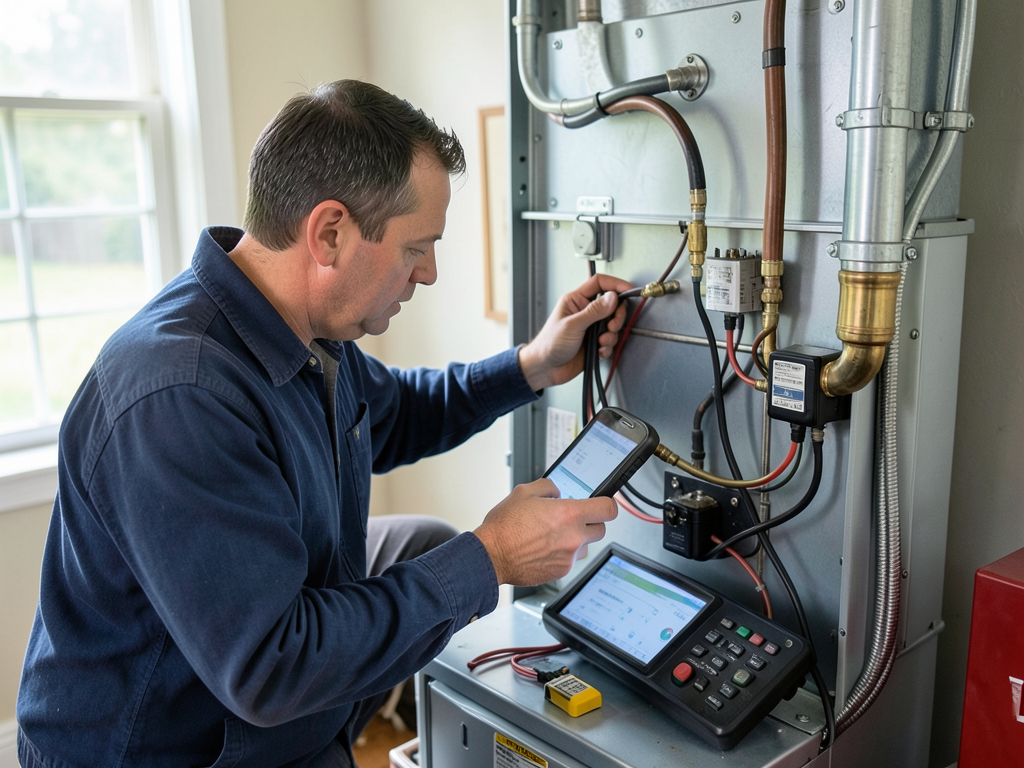
What to Do When Your Roland Park HVAC System Stops Working Suddenly
Your thermostat reads 85°F inside your Roland Park home on a humid July afternoon. The air conditioner clicks on but never blows cold air. This isn’t just uncomfortable—it’s a system failure that demands immediate action. In historic Roland Park, where many homes feature aging HVAC systems retrofitted into century-old architecture, sudden breakdowns happen when you least expect them.
The first 30 minutes after your system stops working determine whether you’ll face a simple reset or a costly emergency repair. Understanding the unique challenges of Roland Park’s historic homes—from radiator systems in Shingle-style houses to high-velocity cooling in Victorian-era residences—can save you time, money, and stress when your HVAC fails. EPA HVAC maintenance guidelines.
Before you call for help, here’s what every Roland Park homeowner should know about sudden HVAC failures and how to respond when your system stops working.
Common Causes of Sudden HVAC Failure in Roland Park Homes
Roland Park’s historic homes built between 1890 and 1930 present unique HVAC challenges that modern systems don’t face. The combination of aging infrastructure, original ductwork, and Maryland’s humid climate creates specific failure patterns.
Power surges during summer thunderstorms often trip breakers in older electrical panels. Many Roland Park homes still operate on 100-amp service, insufficient for modern HVAC demands. When your system suddenly stops, check your electrical panel first—tripped breakers are the most common cause of sudden failure.
Clogged condensate drains pose another frequent problem. Roland Park’s clay soil retains moisture, creating high humidity levels that overwhelm older drain systems. When condensate lines back up, modern systems automatically shut down to prevent water damage—a safety feature that can leave you without cooling during peak summer heat.
Refrigerant leaks in aging copper lines also cause sudden failure. Many Roland Park homes have original refrigerant lines that corrode from the inside out due to Baltimore’s acidic rain and high humidity. A small leak can drop system pressure below operational levels within hours, causing complete shutdown.
Emergency Steps When Your System Stops Working
When your Roland Park HVAC system fails, follow these steps in order. First, check your thermostat settings—ensure it’s set to “cool” and the temperature is below room temperature. Next, verify your circuit breaker hasn’t tripped. Many homeowners waste money on emergency service calls only to discover a flipped breaker. How to Get Emergency AC Repair in Canton When Your System Fails in a Heatwave.
Listen for unusual sounds when your system tries to start. A clicking noise without fan movement suggests a failed capacitor. A humming sound with no action points to a seized motor. These diagnostic clues help technicians arrive prepared with the right parts.
Check your air filter if accessible. Roland Park’s older homes often have multiple return vents with filters in various locations. A completely blocked filter can cause system shutdown within minutes as the system overheats from restricted airflow.
Examine your outdoor unit for debris. Summer thunderstorms in North Baltimore frequently deposit leaves, twigs, and other debris that block condenser coils. Clear any visible obstructions, but never insert objects into the unit.
Roland Park’s Unique HVAC Architecture Challenges
Historic Roland Park homes weren’t designed for modern HVAC systems. Victorian and Shingle-style architecture features plaster walls, narrow joist spaces, and decorative ceilings that complicate ductwork installation. Many homes use high-velocity systems with small, flexible ducts that fit through existing wall cavities.
Steam radiator systems in older Roland Park homes require specialized knowledge. These systems operate at higher pressures than modern forced-air systems and use different controls. Converting from steam to forced air often requires removing asbestos insulation from original pipes—a process requiring Maryland-licensed abatement professionals.
Radon mitigation systems in Roland Park homes can interfere with HVAC operation. Many historic properties require radon systems due to Maryland’s geology. These systems create negative pressure that affects furnace draft and air conditioner performance if not properly balanced.
Safety Concerns During HVAC Failure
Carbon monoxide poisoning represents the most serious risk during HVAC failure. If your furnace stops working in winter, never use outdoor heating equipment indoors. Portable generators, propane heaters, and charcoal grills produce deadly carbon monoxide that can accumulate in minutes. Carbon Monoxide Leak Detection.
Older Roland Park homes often lack modern carbon monoxide detectors. Install battery-operated detectors near sleeping areas and on each floor. Test them monthly—many homeowners discover their detectors are non-functional only during an emergency.
Water damage from condensate leaks can destroy hardwood floors and plaster walls in historic homes. When your AC fails, check for water around the indoor unit. Even small leaks can cause thousands in damage to original materials that are difficult or impossible to replace.
Choosing the Right HVAC Technician for Roland Park
Not all HVAC technicians understand historic Roland Park homes. Look for contractors with specific experience in 21210 ZIP code properties. These homes require different diagnostic approaches than modern construction.
Verify NATE certification and Maryland HVACR licensing. Roland Park’s high-end properties deserve technicians who understand both the technical and preservation aspects of HVAC work. Ask about experience with steam systems, high-velocity cooling, and historic home modifications.
Request references from other Roland Park homeowners. A technician who regularly works in the area understands the specific challenges of converting radiator heat to forced air, installing ductwork in plaster walls, and maintaining high-velocity systems in narrow spaces.
Preventative Maintenance for Roland Park Homes
Annual maintenance prevents most sudden HVAC failures. Schedule spring maintenance before summer heat arrives and fall maintenance before winter cold. These checkups identify worn components before they cause system shutdown.
Clean condensate lines prevent the most common cause of summer failure. Professional cleaning removes algae, mold, and debris that block drainage. This simple service costs far less than emergency repairs and prevents water damage to historic interiors.
Check refrigerant levels annually. Small leaks develop over time due to vibration, temperature cycling, and corrosion. Catching these leaks early prevents complete system failure during extreme weather when you need cooling most.
Cost Considerations for Emergency Repairs
Emergency HVAC repairs in Roland Park typically cost 30-50% more than scheduled service due to after-hours rates and expedited parts delivery. Understanding potential costs helps you budget for the unexpected.
Capacitor replacement, the most common repair, ranges from $150-300 including parts and labor. Compressor failure, however, can cost $1,500-3,000—often approaching the price of a new system in older homes where replacement makes more financial sense.
Many Roland Park homeowners discover their systems are obsolete when they fail. R-22 refrigerant, common in pre-2010 systems, costs $100-150 per pound and requires EPA certification to purchase. A typical recharge might need 3-5 pounds, making replacement often more economical than repair.
Energy Efficiency Upgrades for Historic Homes
Modern high-efficiency systems can cut energy costs by 30-50% in Roland Park homes. However, these upgrades require careful planning to preserve historic character while improving comfort and efficiency.
Variable-speed systems provide better humidity control than single-stage units, crucial for Roland Park’s humid summers. These systems run longer at lower speeds, removing more moisture from the air while using less electricity.
Smart thermostats optimize performance in historic homes with uneven heating and cooling. These devices learn usage patterns and adjust automatically, reducing energy waste in rooms that heat or cool at different rates due to original construction methods.
When to Replace vs. Repair Your System
Age determines replacement priority. Systems over 15 years old typically cost more to repair than replace, especially in Roland Park where original components may be obsolete or difficult to source.
Consider replacement if repair costs exceed 30% of a new system’s price. Also replace if your system uses R-22 refrigerant, requires frequent repairs, or causes inconsistent comfort despite maintenance.
Modern replacement systems often qualify for BGE rebates and federal tax credits. These incentives can reduce replacement costs by 20-40%, making upgrades more affordable than many homeowners realize. BGE HVAC rebates and incentives.
Frequently Asked Questions
How quickly can an HVAC technician reach my Roland Park home?
Most Roland Park emergency calls receive service within 2-4 hours, depending on time of day and weather conditions. Summer afternoons during heat waves may extend wait times to 6+ hours due to high call volume.
Will my historic home insurance cover HVAC failure?
Standard homeowners insurance typically covers sudden HVAC failure if caused by a covered peril like lightning strike or power surge. Normal wear and tear, however, requires separate equipment breakdown coverage available as an endorsement.
Can I temporarily cool my home while waiting for repairs?
Yes, use box fans to create cross-ventilation, close blinds to block sunlight, and avoid heat-generating activities like cooking. Battery-powered fans provide cooling without electricity. Consider temporary window units for critical spaces, but never exceed your home’s electrical capacity.
Call for Emergency HVAC Service in Roland Park
When your Roland Park HVAC system stops working suddenly, every minute counts. Don’t wait until your home becomes dangerously hot or cold. Our technicians understand the unique challenges of historic 21210 homes and arrive prepared with the right tools and parts.
Call (443) 390-4933 today to schedule your inspection. We provide 24/7 emergency service throughout Roland Park, from Wyndhurst to Deepdene, with fast response times and expert knowledge of your home’s specific HVAC needs.
Don’t let a sudden HVAC failure ruin your comfort. Pick up the phone and call (443) 390-4933 before the next Maryland heat wave or cold snap hits Roland Park.
{
“@context”: “https://schema.org”,
“@type”: “BlogPosting”,
“headline”: “What to Do When Your Roland Park HVAC System Stops Working Suddenly”,
“description”: “Your Roland Park HVAC system failed? Get fast emergency repair for historic homes in 21210. Call (443) 390-4933 for expert service you can trust.”,
“wordCount”: 1558,
“datePublished”: “2026-02-26T11:36:00.000Z”,
“dateModified”: “2026-02-26T11:36:00.000Z”,
“inLanguage”: “en-US”,
“mainEntityOfPage”: {
“@type”: “WebPage”,
“@id”: “https://victoryhvacbaltimore.com”
},
“publisher”: {
“@type”: “LocalBusiness”,
“name”: “Victory HVAC Baltimore”,
“url”: “https://victoryhvacbaltimore.com”
},
“author”: {
“@type”: “Organization”,
“name”: “Victory HVAC Baltimore”,
“url”: “https://victoryhvacbaltimore.com”
},
“image”: {
“@type”: “ImageObject”,
“url”: “https://victoryhvacbaltimore.com/wp-content/uploads/2026/03/what-to-do-when-your-roland-park-hvac-system-stops-1.png”
}
}
{
“@context”: “https://schema.org”,
“@type”: “HVACBusiness”,
“name”: “Victory HVAC Baltimore”,
“url”: “https://victoryhvacbaltimore.com”,
“address”: {
“@type”: “PostalAddress”,
“addressLocality”: “Baltimore”
},
“areaServed”: {
“@type”: “City”,
“name”: “Baltimore”
}
}
{
“@context”: “https://schema.org”,
“@type”: “FAQPage”,
“mainEntity”: [
{
“@type”: “Question”,
“name”: “How quickly can an HVAC technician reach my Roland Park home?”,
“acceptedAnswer”: {
“@type”: “Answer”,
“text”: “Most Roland Park emergency calls receive service within 2-4 hours, depending on time of day and weather conditions. Summer afternoons during heat waves may extend wait times to 6+ hours due to high call volume.”
}
},
{
“@type”: “Question”,
“name”: “Will my historic home insurance cover HVAC failure?”,
“acceptedAnswer”: {
“@type”: “Answer”,
“text”: “Standard homeowners insurance typically covers sudden HVAC failure if caused by a covered peril like lightning strike or power surge. Normal wear and tear, however, requires separate equipment breakdown coverage available as an endorsement.”
}
}
]
}
{
“@context”: “https://schema.org”,
“@type”: “BreadcrumbList”,
“itemListElement”: [
{
“@type”: “ListItem”,
“position”: 1,
“name”: “Home”,
“item”: “https://victoryhvacbaltimore.com”
},
{
“@type”: “ListItem”,
“position”: 2,
“name”: “Blog”,
“item”: “https://victoryhvacbaltimore.com/blog”
},
{
“@type”: “ListItem”,
“position”: 3,
“name”: “What to Do When Your Roland Park HVAC System Stops Working Suddenly”
}
]
}
{
“@context”: “https://schema.org”,
“@type”: “Service”,
“serviceType”: “HVAC”,
“provider”: {
“@type”: “LocalBusiness”,
“name”: “Victory HVAC Baltimore”,
“url”: “https://victoryhvacbaltimore.com”
},
“areaServed”: {
“@type”: “City”,
“name”: “Baltimore”
},
“description”: “Your Roland Park HVAC system failed? Get fast emergency repair for historic homes in 21210. Call (443) 390-4933 for expert service you can trust.”
}