
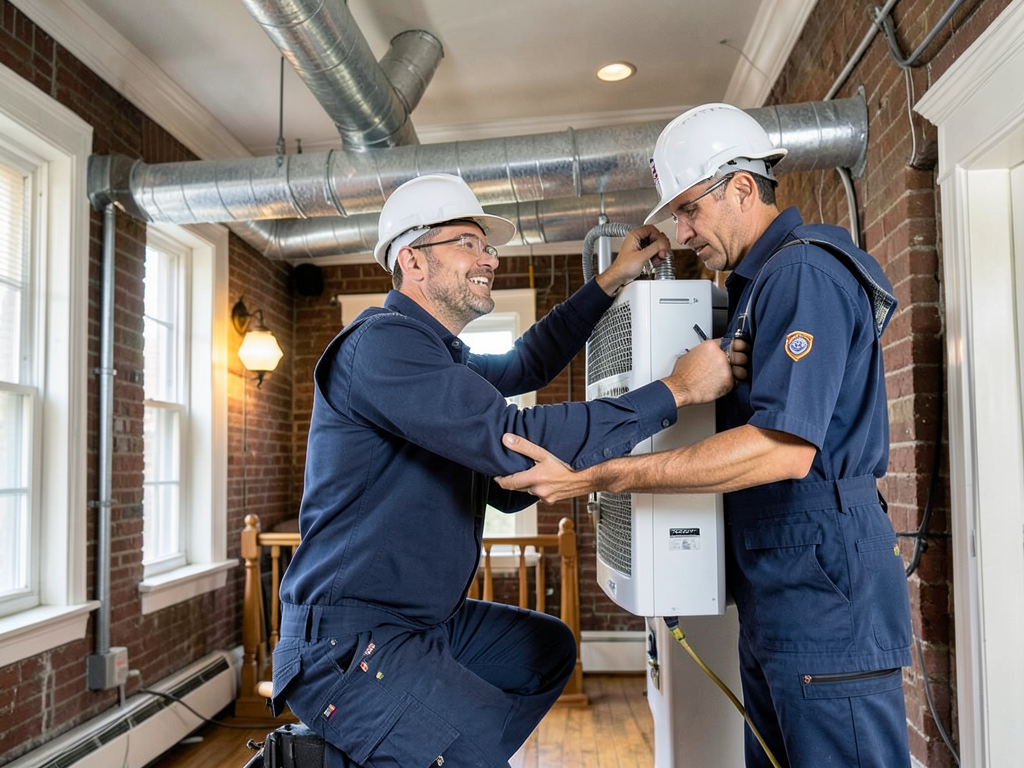
Improving the Air Quality in Your High-Ceiling Mount Vernon Apartment
Your Mount Vernon apartment’s soaring ceilings and historic charm come with unique air quality challenges. Baltimore’s urban environment combined with the architectural features of these classic buildings creates conditions where pollutants, allergens, and moisture can accumulate in ways that affect your health and comfort.. Read more about Improving Indoor Air Quality for Families Living in Highlandtown Rowhouses.
High-ceiling apartments in the Mount Vernon Historic District face specific air quality issues that standard homes don’t experience. The large air volume means contaminants spread more easily, while older construction materials may contain hidden pollutants. Baltimore’s humid summers and cold winters create temperature stratification that traps allergens near the ceiling and dust near the floor.
Common Air Quality Issues in Mount Vernon Apartments
Baltimore’s urban environment introduces several pollutants that affect indoor air quality. Vehicle emissions from Charles Street and St. Paul Street create particulate matter that enters through windows and ventilation systems. Historic building materials in Mount Vernon brownstones and apartments may contain lead-based paint dust or asbestos fibers that become airborne during renovations or simply through normal aging.
Humidity control presents another major challenge. Baltimore experiences relative humidity levels above 70% during summer months, creating conditions where mold spores thrive in high-ceiling spaces where air circulation is limited. The temperature difference between the cool lower levels and warmer upper areas creates condensation on windows and walls, providing moisture for biological growth.
Urban pollen counts in Baltimore peak during spring and fall, with oak, maple, and ragweed pollens infiltrating older apartment buildings through gaps in window seals and ventilation systems. Pet dander from neighboring units can circulate through shared HVAC systems or travel through older building construction.
Professional Air Quality Testing Services
Professional air quality testing identifies specific pollutants affecting your Mount Vernon apartment. Our comprehensive audit measures particulate matter (PM2.5 and PM10), volatile organic compounds (VOCs), carbon dioxide levels, and relative humidity throughout your living space. We use calibrated instruments to detect formaldehyde, benzene, and other common urban pollutants that may be present in older Baltimore buildings. Carbon Monoxide Leak Detection.
The testing process includes air sampling from multiple heights to account for temperature stratification in high-ceiling spaces. We collect samples from near the floor, at breathing level, and near the ceiling to create a complete picture of air quality throughout your apartment’s volume. This three-dimensional approach reveals pollutants that settle in different zones.
Moisture mapping identifies areas where condensation or water intrusion may create mold growth conditions. We use infrared cameras to detect temperature variations that indicate moisture behind walls or under flooring. This is particularly important in Mount Vernon’s historic buildings where original construction methods may have created hidden moisture pathways.
HEPA Filtration Systems for High-Ceiling Spaces
HEPA filtration systems capture 99.97% of particles 0.3 microns or larger, effectively removing pollen, dust mites, pet dander, and many bacteria from your apartment’s air. For Mount Vernon’s high-ceiling spaces, we recommend systems with higher clean air delivery rates (CADR) to account for the larger air volume. EPA Indoor Air Quality Guidelines.
Whole-home HEPA systems integrate with existing HVAC equipment to filter air continuously as it circulates. These systems use MERV 13 or higher rated filters that capture fine particulates while maintaining adequate airflow for heating and cooling. The larger filter surface area reduces pressure drop, which is crucial for older systems common in historic Baltimore buildings.
Portable HEPA units provide targeted filtration for specific rooms or areas where air quality issues are most pronounced. For high-ceiling apartments, we recommend units with adjustable fan speeds and oscillation features to help distribute filtered air throughout the vertical space. Units with air quality sensors automatically adjust operation based on detected pollutant levels.
UV Germicidal Light Purification
UV-C light systems installed in HVAC ductwork neutralize airborne bacteria, viruses, and mold spores as air passes through the system. These lights operate at 254 nanometers, which disrupts the DNA of microorganisms, preventing them from reproducing. This technology is particularly effective in Baltimore’s humid climate where biological growth can be problematic.
For Mount Vernon apartments with older HVAC systems, we install UV lights in the return air duct where they treat the maximum volume of circulating air. The lights are positioned to avoid direct exposure to occupants while providing continuous air treatment. Replacement bulbs typically last 9-12 months in Baltimore’s climate conditions.
Combination UV and photocatalytic oxidation systems add an extra layer of protection by breaking down VOCs and odors that standard UV systems may miss. These units use titanium dioxide-coated surfaces that react with UV light to create oxidizing agents that destroy chemical pollutants at the molecular level.
Humidity Control Solutions
Whole-home dehumidifiers remove excess moisture from the air, maintaining relative humidity between 30-50% to prevent mold growth and improve comfort. For Mount Vernon apartments, we recommend units with continuous drain options since high humidity periods can last for weeks during Baltimore summers.
Smart humidity control systems monitor indoor conditions and automatically adjust operation to maintain optimal levels. These systems integrate with your existing HVAC equipment, providing coordinated heating, cooling, and dehumidification. The smart controls learn your apartment’s patterns and adjust for factors like occupancy and outdoor weather conditions.
Energy recovery ventilators (ERVs) provide fresh air exchange while recovering energy from exhaust air, reducing the load on heating and cooling systems. In Baltimore’s climate, ERVs help manage humidity while providing the ventilation that older Mount Vernon buildings often lack due to their historic construction methods.. Read more about Energy Efficient Mini-Split Solutions for Repurposed Industrial Lofts in Woodberry.
Duct Cleaning and Sanitization
Duct cleaning removes accumulated dust, debris, and potential mold growth from your HVAC system’s ductwork. For Mount Vernon apartments with original ductwork, this service can significantly improve air quality by removing decades of accumulated pollutants. We use HEPA-filtered vacuum systems that capture debris without releasing it back into your living space.
The cleaning process includes inspection of duct connections, which are often loose or disconnected in older Baltimore buildings. We seal any gaps we find to prevent air leakage and ensure that all air passes through the filtration system rather than bypassing it through gaps in the ductwork.
Sanitization treatments use EPA-registered antimicrobials that eliminate bacteria, mold, and viruses without leaving harmful residues. These treatments are particularly important in Mount Vernon’s humid climate where biological growth can occur in ductwork that remains cool and damp.
Air Scrubber Technology
Air scrubber systems use active air purification technology that sends oxidizing molecules throughout your apartment to neutralize pollutants at their source. Unlike passive filtration that only cleans air passing through the device, air scrubbers create a blanket of protection that reaches all areas of your high-ceiling space.
These systems produce hydroperoxides and hydroxyls that break down VOCs, neutralize odors, and kill bacteria and viruses on surfaces as well as in the air. The technology was originally developed for the International Space Station and has been adapted for residential use in Baltimore’s urban environment.
Installation typically involves mounting the unit in your HVAC system where it treats all air circulating through your apartment. The system operates continuously, providing 24/7 air purification without the noise and maintenance requirements of multiple portable units.
Smart Air Quality Monitoring
Continuous air quality monitoring provides real-time data about your apartment’s indoor environment. Smart monitors track particulate matter, VOCs, humidity, temperature, and carbon dioxide levels, sending alerts when conditions fall outside healthy ranges. This technology is particularly valuable in Mount Vernon’s variable climate where conditions can change rapidly.
Integration with smart home systems allows automated responses to air quality issues. When high VOC levels are detected, ventilation systems can increase airflow. When humidity rises above setpoints, dehumidification can activate automatically. These coordinated responses maintain optimal conditions without manual intervention.
Mobile apps provide detailed air quality history and trends, helping you understand how activities like cooking, cleaning, or opening windows affect your indoor environment. This data helps identify patterns and make informed decisions about lifestyle changes that can improve air quality.
Benefits for Mount Vernon Residents
Improved air quality in your Mount Vernon apartment provides immediate health benefits. Reduced allergens mean fewer allergy symptoms, better sleep, and improved respiratory function. Lower VOC levels decrease the risk of headaches, eye irritation, and long-term health effects associated with chemical exposure.
Historic building preservation is another significant benefit. Controlling humidity and removing pollutants helps protect original woodwork, plaster, and other architectural features that make Mount Vernon apartments unique. Proper air quality management prevents the deterioration that can occur when moisture and pollutants attack historic materials.
Energy efficiency improves when your HVAC system doesn’t have to work as hard to overcome air quality issues. Clean filters and ducts allow better airflow, while proper humidity control reduces the load on heating and cooling equipment. This translates to lower utility bills and extended equipment life.
Implementation Process
Our air quality improvement process begins with a comprehensive assessment of your specific needs. We evaluate your apartment’s layout, existing HVAC system, and any known air quality concerns. This evaluation includes measuring air exchange rates, which are often lower in historic buildings due to their tight construction.
Based on the assessment, we develop a customized plan that addresses your primary concerns while working within your budget. For high-ceiling spaces, we often recommend a multi-stage approach that combines several technologies for comprehensive protection. The plan includes specific product recommendations and expected improvements in air quality metrics.
Professional installation ensures that all equipment operates at peak efficiency. Our technicians are trained in handling the unique challenges of Mount Vernon’s historic buildings, including working with older electrical systems and preserving architectural features during installation. We coordinate with building management when necessary to ensure compliance with any historic preservation requirements.
Ongoing maintenance keeps your air quality systems operating effectively. We provide scheduled filter changes, UV bulb replacements, and system cleaning to maintain optimal performance. Our maintenance plans include regular air quality testing to verify that your systems continue to meet your air quality goals.
Local Building Considerations
Mount Vernon’s historic district status means that any modifications to apartment interiors must comply with preservation guidelines. Our systems are designed to be minimally invasive, with most equipment installed in existing mechanical spaces or closets. We work with building management to ensure that all installations meet both air quality needs and historic preservation requirements.
Baltimore City building codes require permits for certain HVAC modifications, particularly when involving gas lines or electrical upgrades. We handle all permitting requirements and ensure that all work complies with current mechanical codes. Our installations meet or exceed ASHRAE standards for indoor air quality. ASHRAE Indoor Air Quality Standards.
The age of Mount Vernon buildings means that many apartments have original or early-generation HVAC systems. We specialize in integrating modern air quality equipment with these older systems, often finding creative solutions that preserve the existing equipment while adding the air quality improvements you need. Adding Central Air to Your Hampden Rowhome Without Ruining the Character.
Cost Considerations
Air quality improvement investments vary based on the size of your apartment, the severity of existing issues, and the technologies selected. Basic HEPA filtration systems start at a few hundred dollars, while comprehensive whole-home solutions with multiple technologies can represent a more significant investment.
The return on investment includes both direct benefits like improved health and comfort and indirect benefits like energy savings and equipment longevity. Many Mount Vernon residents find that the improved quality of life justifies the investment, particularly those with allergies, asthma, or other respiratory sensitivities.
Financing options make air quality improvements accessible to more residents. We offer various payment plans and can help you understand any available rebates or incentives for energy-efficient equipment. Some improvements may also qualify for historic preservation tax credits when they help protect original building features.
Frequently Asked Questions
How long does it take to notice improvements in air quality?
Most residents notice immediate improvements in air quality within 24-48 hours of installation. HEPA filtration and UV systems begin working immediately, while humidity control may take a few days to stabilize. The full benefits of comprehensive air quality systems typically become apparent within one to two weeks as all components work together.
Will air quality improvements affect my utility bills?
Properly designed air quality systems typically have minimal impact on utility bills and may actually reduce them over time. Clean filters and ducts improve HVAC efficiency, while proper humidity control reduces the load on heating and cooling equipment. The energy used by air quality equipment is usually offset by these efficiency gains.
Are these systems noisy?
Modern air quality systems are designed to operate quietly. HEPA filtration units typically produce noise levels similar to a quiet refrigerator, while UV lights operate silently. Whole-home systems integrate with your existing HVAC equipment, so you only notice the sound of your normal heating and cooling operation.
How often do filters need to be replaced?
Filter replacement frequency depends on your specific system and usage patterns. HEPA filters typically need replacement every 6-12 months, while pre-filters may need monthly replacement in high-pollution environments. Our maintenance plans include scheduled filter changes to ensure optimal performance without requiring you to track replacement schedules.
Can I install these systems myself?
While some portable air quality devices can be self-installed, professional installation is recommended for whole-home systems. Professional installation ensures proper sizing, optimal placement, and integration with existing HVAC equipment. It also includes warranty coverage and ensures compliance with building codes and preservation requirements.
Take Control of Your Indoor Air Quality
Living in a beautiful Mount Vernon apartment shouldn’t mean compromising on air quality. Baltimore’s urban environment and the unique characteristics of high-ceiling historic spaces create air quality challenges that require professional solutions. Our comprehensive approach addresses all aspects of indoor air quality, from particle filtration to humidity control to continuous monitoring.
The investment in professional air quality improvement pays dividends in better health, greater comfort, and preserved historic character. Whether you’re dealing with specific air quality concerns or simply want to create the healthiest possible environment for your family, we have solutions that work within the constraints of Mount Vernon’s historic buildings.
Don’t let poor air quality affect your quality of life in your Mount Vernon apartment. Call (443) 390-4933 today to schedule your comprehensive air quality assessment. Our experts will evaluate your specific needs and recommend solutions that improve your indoor environment while respecting the historic character of your home.
Pick up the phone and call (443) 390-4933 before the next Baltimore heat wave or humidity spike makes your air quality issues worse. Your health and comfort deserve professional attention from technicians who understand the unique challenges of Mount Vernon’s historic apartments.
Service Areas
We proudly serve Mount Vernon and the greater Baltimore area, including Charles Village, Midtown, Station North, and surrounding historic neighborhoods. Our technicians understand the specific air quality challenges of Baltimore’s urban environment and historic architecture.
Whether you live in a high-ceiling brownstone on Cathedral Street or a converted apartment on St. Paul Street, we have the expertise to improve your indoor air quality while preserving your home’s historic character. Contact us today to learn how we can help you breathe easier in your Mount Vernon apartment.
Call (443) 390-4933 now to schedule your air quality assessment and take the first step toward healthier indoor air in your Mount Vernon home.
{
“@context”: “https://schema.org”,
“@type”: “BlogPosting”,
“headline”: “Improving the Air Quality in Your High-Ceiling Mount Vernon Apartment”,
“description”: “Improve air quality in your historic Mount Vernon apartment. Learn about HEPA filtration, UV purification, and humidity control for Baltimore’s high-ceiling homes.”,
“wordCount”: 2524,
“datePublished”: “2026-02-21T12:18:00.000Z”,
“dateModified”: “2026-02-21T12:18:00.000Z”,
“inLanguage”: “en-US”,
“mainEntityOfPage”: {
“@type”: “WebPage”,
“@id”: “https://victoryhvacbaltimore.com”
},
“publisher”: {
“@type”: “LocalBusiness”,
“name”: “Victory HVAC Baltimore”,
“url”: “https://victoryhvacbaltimore.com”
},
“author”: {
“@type”: “Organization”,
“name”: “Victory HVAC Baltimore”,
“url”: “https://victoryhvacbaltimore.com”
},
“image”: {
“@type”: “ImageObject”,
“url”: “https://victoryhvacbaltimore.com/wp-content/uploads/2026/03/improving-the-air-quality-in-your-high-ceiling-mou-1.png”
}
}
{
“@context”: “https://schema.org”,
“@type”: “HVACBusiness”,
“name”: “Victory HVAC Baltimore”,
“url”: “https://victoryhvacbaltimore.com”,
“address”: {
“@type”: “PostalAddress”,
“addressLocality”: “Baltimore”
},
“areaServed”: {
“@type”: “City”,
“name”: “Baltimore”
}
}
{
“@context”: “https://schema.org”,
“@type”: “FAQPage”,
“mainEntity”: [
{
“@type”: “Question”,
“name”: “How long does it take to notice improvements in air quality?”,
“acceptedAnswer”: {
“@type”: “Answer”,
“text”: “Most residents notice immediate improvements in air quality within 24-48 hours of installation. HEPA filtration and UV systems begin working immediately, while humidity control may take a few days to stabilize. The full benefits of comprehensive air quality systems typically become apparent within one to two weeks as all components work together.”
}
},
{
“@type”: “Question”,
“name”: “Will air quality improvements affect my utility bills?”,
“acceptedAnswer”: {
“@type”: “Answer”,
“text”: “Properly designed air quality systems typically have minimal impact on utility bills and may actually reduce them over time. Clean filters and ducts improve HVAC efficiency, while proper humidity control reduces the load on heating and cooling equipment. The energy used by air quality equipment is usually offset by these efficiency gains.”
}
},
{
“@type”: “Question”,
“name”: “Are these systems noisy?”,
“acceptedAnswer”: {
“@type”: “Answer”,
“text”: “Modern air quality systems are designed to operate quietly. HEPA filtration units typically produce noise levels similar to a quiet refrigerator, while UV lights operate silently. Whole-home systems integrate with your existing HVAC equipment, so you only notice the sound of your normal heating and cooling operation.”
}
},
{
“@type”: “Question”,
“name”: “How often do filters need to be replaced?”,
“acceptedAnswer”: {
“@type”: “Answer”,
“text”: “Filter replacement frequency depends on your specific system and usage patterns. HEPA filters typically need replacement every 6-12 months, while pre-filters may need monthly replacement in high-pollution environments. Our maintenance plans include scheduled filter changes to ensure optimal performance without requiring you to track replacement schedules.”
}
},
{
“@type”: “Question”,
“name”: “Can I install these systems myself?”,
“acceptedAnswer”: {
“@type”: “Answer”,
“text”: “While some portable air quality devices can be self-installed, professional installation is recommended for whole-home systems. Professional installation ensures proper sizing, optimal placement, and integration with existing HVAC equipment. It also includes warranty coverage and ensures compliance with building codes and preservation requirements.”
}
}
]
}
{
“@context”: “https://schema.org”,
“@type”: “BreadcrumbList”,
“itemListElement”: [
{
“@type”: “ListItem”,
“position”: 1,
“name”: “Home”,
“item”: “https://victoryhvacbaltimore.com”
},
{
“@type”: “ListItem”,
“position”: 2,
“name”: “Blog”,
“item”: “https://victoryhvacbaltimore.com/blog”
},
{
“@type”: “ListItem”,
“position”: 3,
“name”: “Improving the Air Quality in Your High-Ceiling Mount Vernon Apartment”
}
]
}
{
“@context”: “https://schema.org”,
“@type”: “Service”,
“serviceType”: “HVAC”,
“provider”: {
“@type”: “LocalBusiness”,
“name”: “Victory HVAC Baltimore”,
“url”: “https://victoryhvacbaltimore.com”
},
“areaServed”: {
“@type”: “City”,
“name”: “Baltimore”
},
“description”: “Improve air quality in your historic Mount Vernon apartment. Learn about HEPA filtration, UV purification, and humidity control for Baltimore’s high-ceiling homes.”
}