

Menu

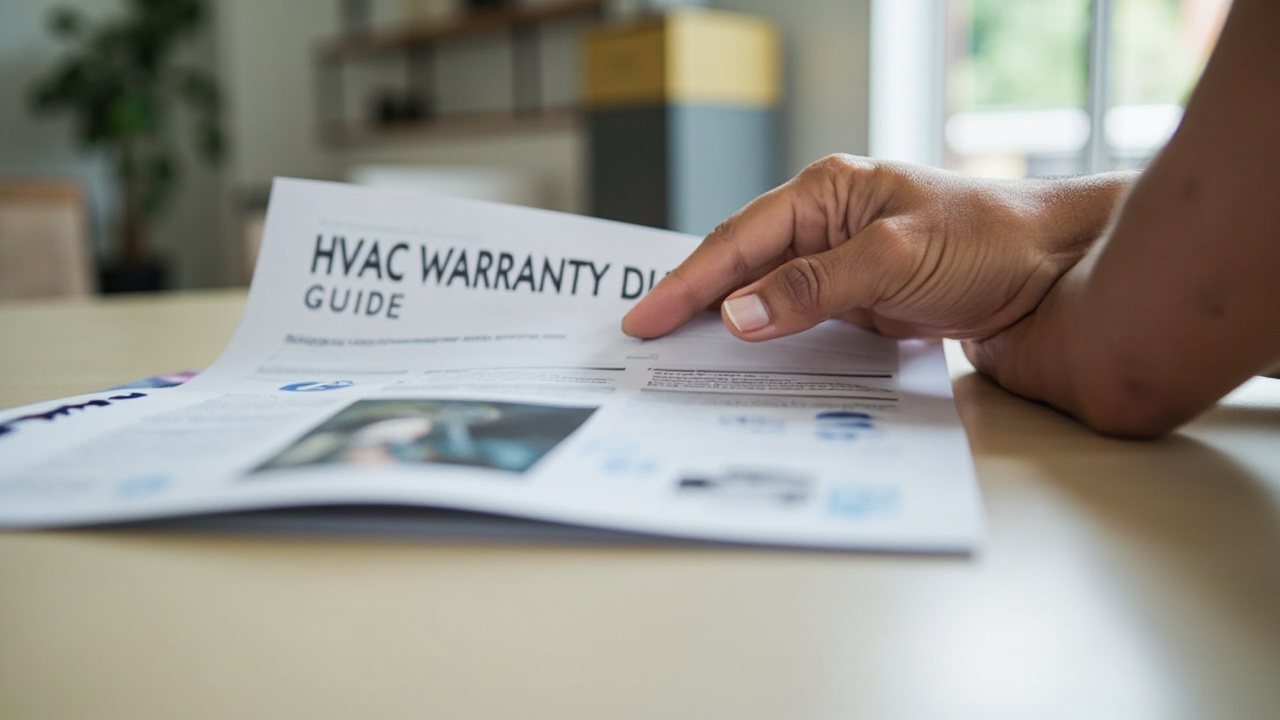
HVAC Warranty Guide in Baltimore – Protect Your Investment and Avoid Costly Out-of-Pocket Repairs

Understanding HVAC system warranty coverage and heating and cooling warranty terms helps Baltimore homeowners maximize manufacturer protections, avoid denied claims, and keep your equipment running without surprise repair bills.

Slider Image 1
Slider Image 2
Slider Image 3
Slider Image 4
Slider Image 5
Slider Image 7
Slider Image 8
Slider Image 9
Slider Image 10
Slider Image 11

Baltimore's Climate Puts Your HVAC System to the Test

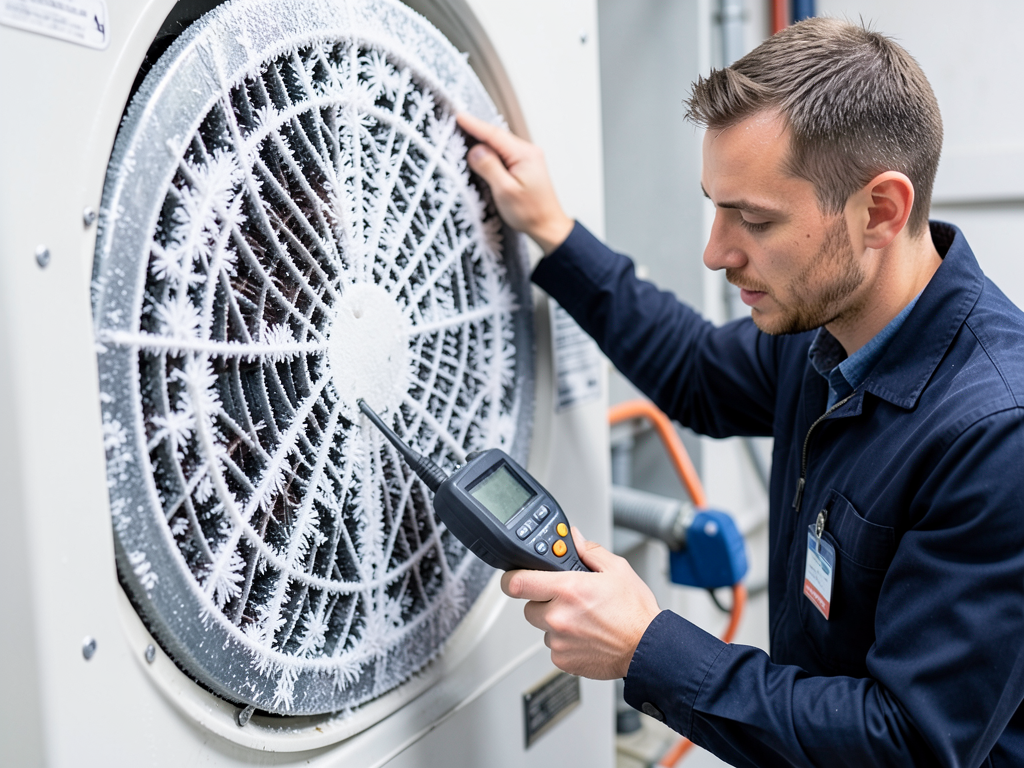
Baltimore's humid summers and freezing winters force your HVAC system to work overtime. High humidity accelerates compressor wear, freeze-thaw cycles stress heat exchangers, and Chesapeake Bay salt air corrodes outdoor units faster than inland systems experience. When your equipment fails, you need to know what HVAC equipment warranty policies cover and what they exclude.

Most homeowners in Fells Point, Canton, and Federal Hill never read their HVAC manufacturer warranty details until something breaks. Then they discover that labor costs are not covered, regular maintenance was required to keep coverage active, or specific failures fall outside the manufacturer's responsibility. The difference between a free repair and a $2,000 bill often comes down to understanding heating and cooling warranty terms before you need them.

Baltimore's older housing stock presents additional challenges. Many rowhomes in neighborhoods like Mount Vernon have limited access for equipment replacement, which can void certain warranty provisions if technicians cannot install components according to manufacturer specifications. Clay soil shifts can crack concrete pads, misaligning outdoor units and accelerating wear that warranties may not cover.

HVAC system warranty coverage typically includes parts for five to ten years, but labor, refrigerant, and diagnostic fees remain your responsibility. Knowing what you own versus what the manufacturer covers prevents financial surprises when your system fails during a July heat wave or a January cold snap.

Baltimore's Climate Puts Your HVAC System to the Test
How HVAC Unit Warranty Information Actually Works

How HVAC Unit Warranty Information Actually Works

HVAC unit warranty information breaks down into three categories: parts coverage, compressor coverage, and heat exchanger coverage. Parts warranties typically last five years and cover components like capacitors, contactors, and control boards. Compressor warranties extend to ten years because compressor replacement represents the highest parts cost. Heat exchanger warranties can reach twenty years or even lifetime coverage because a cracked heat exchanger creates a carbon monoxide risk.

The critical detail most homeowners miss is registration. Many manufacturers require you to register your equipment within 60 to 90 days of installation. Miss that window and your ten-year compressor warranty drops to five years. Baltimore homeowners who buy houses with existing HVAC systems often inherit unregistered equipment with reduced coverage.

Maintenance requirements represent the second major warranty condition. HVAC equipment warranty policies typically require annual professional maintenance to remain valid. Skip your tune-up and you void coverage. The manufacturer will deny your claim if they determine that lack of maintenance caused the failure. Documentation matters. Keep every service receipt and maintenance record because you will need to prove compliance if you file a warranty claim.

Labor exclusions surprise homeowners the most. Even with valid parts coverage, you pay for the technician's time to diagnose the problem, recover refrigerant, replace the component, and test the system. Labor costs for compressor replacement can exceed $1,500, even though the part itself costs nothing under warranty. Extended warranties that cover labor close this gap, but you need to purchase them at installation.

How to Maximize Your HVAC Warranty Protection

HVAC Warranty Guide in Baltimore – Protect Your Investment and Avoid Costly Out-of-Pocket Repairs
01

Register Your Equipment

Register your HVAC system within 60 days of installation to activate full manufacturer warranty coverage. You need the model number, serial number, and installation date. Most manufacturers use online registration portals, and the process takes five minutes. Registration extends compressor coverage from five years to ten years with most brands. Your installer should handle this, but verify completion because it protects your investment.
02

Schedule Annual Maintenance

Annual professional maintenance keeps your warranty valid and prevents premature failures. Technicians clean coils, check refrigerant charge, test electrical components, and inspect heat exchangers. Baltimore's humid climate creates mold growth on evaporator coils that restricts airflow and reduces efficiency. Maintenance addresses these issues before they cause compressor failure. Keep all service documentation because manufacturers require proof of maintenance to honor warranty claims for major component failures.
03

Document Everything

Save your original installation invoice, registration confirmation, and every maintenance receipt. When you file a warranty claim, the manufacturer will request proof of proper installation, timely registration, and regular maintenance. Missing documentation can void an otherwise valid claim. Store digital copies in email or cloud storage because paper receipts fade. If you sell your Baltimore home, transfer this documentation to the new owner so they can maintain warranty coverage.

Why Baltimore Homeowners Trust Victory HVAC Baltimore for Warranty Support

Victory HVAC Baltimore handles warranty claims daily and knows exactly what documentation manufacturers require. We register every system we install, eliminating the risk of missed deadlines that reduce coverage. Our maintenance plans ensure you meet manufacturer requirements while catching small problems before they escalate into warranty-voiding failures.

Baltimore's building codes and permit requirements affect warranty validity. Unpermitted HVAC installations can void manufacturer coverage completely because the work was not inspected and approved. We pull permits for every installation, ensuring your system meets code and maintains full warranty protection. This matters especially in neighborhoods like Hampden and Roland Park, where historic district requirements add complexity to HVAC installations.

We work with all major manufacturers and understand their specific warranty policies. Carrier handles claims differently than Trane, and Lennox has different registration requirements than Rheem. When your compressor fails or your heat exchanger cracks, we know exactly how to process the claim, what documentation the manufacturer needs, and how to expedite approval. This expertise saves you time and reduces out-of-pocket costs.

Our technicians receive ongoing training on warranty procedures and manufacturer updates. We document every service call with photos and detailed notes, creating the paper trail you need if a warranty claim arises months or years later. Baltimore homeowners who use Victory HVAC Baltimore for installation and maintenance have their warranty documentation organized and accessible when they need it most.

What to Expect When Using Your HVAC Warranty

Claim Processing Timeline

Warranty claim processing takes three to ten business days depending on the manufacturer and component. We submit claims electronically with all required documentation, including photos of the failed part, serial number verification, and maintenance records. Manufacturers review the claim to confirm coverage, then ship the replacement part to us or authorize a credit. Emergency situations in Baltimore's summer heat or winter cold may qualify for expedited processing, but standard timelines apply to most claims. We keep you updated throughout the process.

Diagnostic and Documentation Requirements

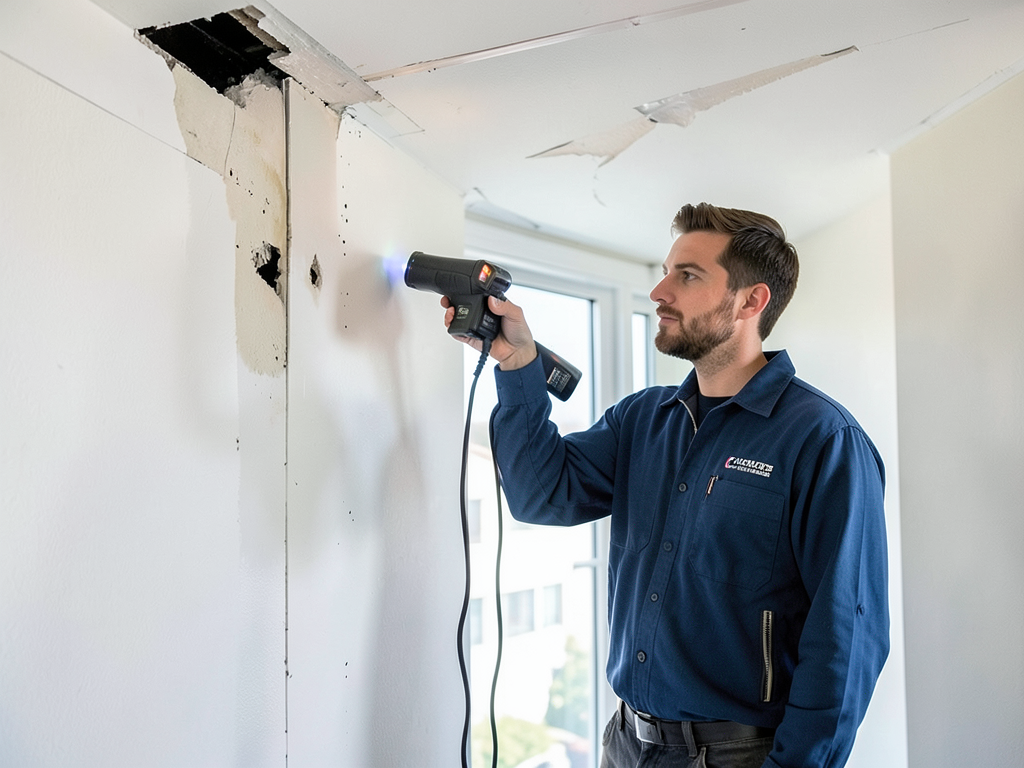
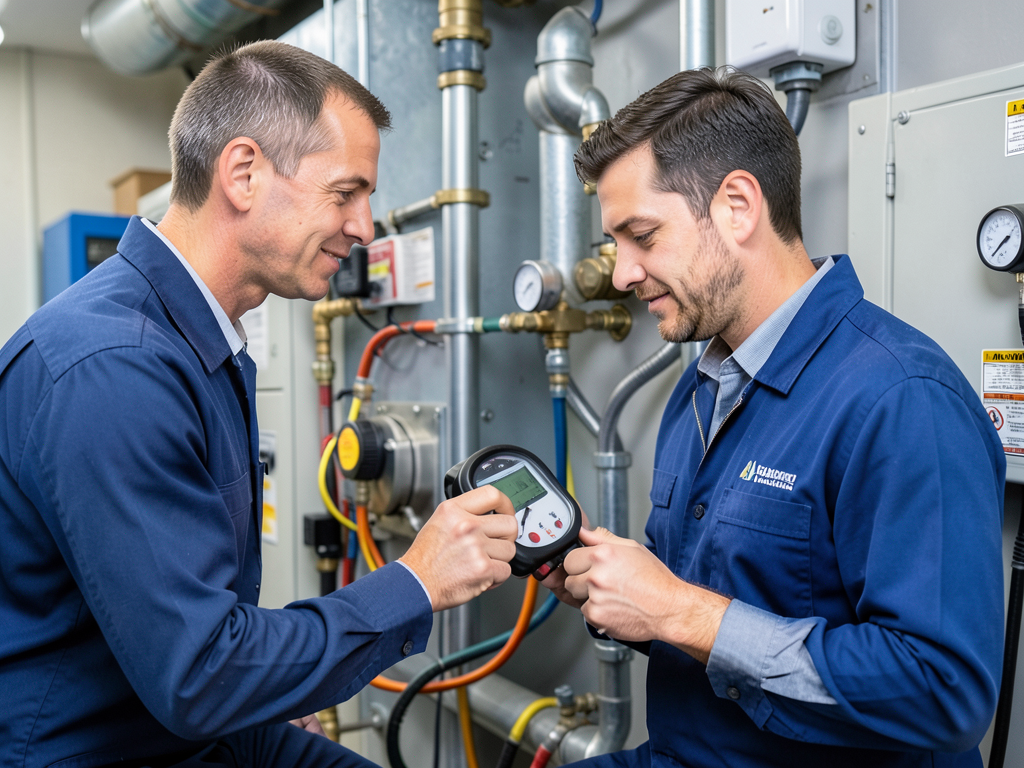
Before filing a warranty claim, we perform comprehensive diagnostics to identify the exact failure and confirm it falls under warranty coverage. This includes electrical testing, refrigerant pressure readings, and visual inspection. We photograph the failed component and document serial numbers because manufacturers require proof the part is original equipment. If your system lacks proper maintenance documentation, the manufacturer may deny the claim even if the part itself is defective. We gather all necessary information before submission to maximize approval chances.

Parts Coverage vs. Total Cost

Even with approved warranty claims, you pay for labor, refrigerant, and related materials. Compressor replacement requires recovering and recharging refrigerant, replacing the filter drier, testing for leaks, and verifying proper operation. These labor costs typically range from $800 to $1,500 depending on system size and refrigerant type. Extended warranties that include labor coverage eliminate most out-of-pocket expenses, but standard manufacturer warranties cover only the part itself. We provide detailed estimates before starting warranty repairs so you know exactly what you will pay.

Transferable Coverage and Home Sales

Most HVAC manufacturer warranties transfer to new homeowners when you sell your Baltimore property, but registration and maintenance records must transfer with the system. We help you compile warranty documentation for home sales, ensuring the new owner receives all necessary information to maintain coverage. Some manufacturers require re-registration when ownership changes. Transferable warranties add value to your home sale because buyers know they have protection against expensive repairs. Keep your warranty information organized and accessible for real estate transactions.

Frequently Asked Questions

You Have Questions,
We Have Answers

What is the typical warranty on a HVAC system? +

Most HVAC systems come with two separate warranties. The manufacturer provides a parts warranty, typically 5 to 10 years, covering components like the compressor, coil, and heat exchanger. Your contractor provides a labor warranty, usually 1 to 2 years, covering installation workmanship. In Baltimore's humid climate with freeze-thaw cycles, proper registration within 90 days is critical. Many homeowners lose extended coverage by skipping this step. Always verify both warranties at installation and keep documentation with your home records. Extended warranties are available but require annual maintenance to remain valid.

What is the $5000 rule for HVAC? +

The $5000 rule refers to whether you should repair or replace your HVAC system. Multiply the system's age by the repair cost. If the result exceeds $5000, replacement makes more financial sense. For example, a 12-year-old unit needing a $500 repair equals $6000, suggesting replacement. Baltimore homeowners face higher humidity wear on coils and compressors, accelerating this decision. Factor in rising energy costs and newer efficiency standards. A 15-year-old system running on R-22 refrigerant will cost more to repair as parts become scarce. This rule helps you avoid throwing money at a dying system.

What voids a HVAC warranty? +

Several actions void your HVAC warranty immediately. Skipping professional installation or using an unlicensed contractor is the most common mistake. Failing to register your system within 60 to 90 days reduces coverage from 10 years to just 5. Neglecting annual maintenance violates most extended warranties. DIY repairs or using non-OEM parts void manufacturer coverage. In Baltimore, improper sizing for our humid summers causes premature failure and warranty denial. Using mismatched components, like pairing a new condenser with an old air handler, also voids protection. Always document maintenance and use qualified technicians.

What is the average lifespan of an HVAC? +

HVAC systems last 15 to 20 years with proper maintenance. Baltimore's high humidity and temperature swings stress components harder than drier climates. Furnaces typically outlast air conditioners because they run fewer months annually. Coastal proximity brings salt air corrosion for some Baltimore neighborhoods, shortening lifespan. Heat pumps work year-round and may need replacement closer to 12 to 15 years. Regular filter changes, annual tune-ups, and prompt repairs extend life significantly. Systems installed before 2010 use outdated refrigerants and run less efficiently. After 15 years, plan for replacement even if your system still functions.

Which HVAC company has the best warranty? +

Warranty quality varies by manufacturer and installation provider. Carrier, Trane, and Lennox offer strong 10-year parts warranties with optional extended coverage. However, the best warranty means nothing without proper installation and local service support. Baltimore homeowners should prioritize contractors who provide comprehensive labor warranties and maintain manufacturer certifications. A great parts warranty paired with poor installation creates future headaches. Look for companies offering same-day emergency service and familiar with Baltimore's building codes and climate challenges. Verify warranty transferability if you plan to sell your home. Registration and annual maintenance are non-negotiable for keeping coverage active.

How long should a HVAC compressor last? +

A quality compressor should last 12 to 15 years under normal conditions. Baltimore's humid summers force compressors to work harder, potentially shortening lifespan. Compressors fail prematurely from refrigerant leaks, electrical issues, or dirty coils blocking airflow. Most manufacturers warranty compressors for 10 years, but labor costs for replacement are significant. Regular maintenance prevents 80% of compressor failures. Watch for loud noises, hard starting, or warm air from vents. Once a compressor fails after 10 years, replacing the entire outdoor unit makes more financial sense than repair. Proper sizing during installation directly impacts compressor longevity.

Is a new HVAC system tax deductible in 2025? +

High-efficiency HVAC systems may qualify for federal tax credits under the Inflation Reduction Act, extended through 2032. You can claim up to $2000 for systems meeting specific SEER2 and efficiency ratings. Baltimore homeowners replacing older systems benefit most. The system must be installed in your primary residence and meet Energy Star requirements. Keep manufacturer certification statements and receipts for IRS documentation. Standard replacements without efficiency upgrades do not qualify. Consult a tax professional for your specific situation, as state and local rebates may also apply. Business properties follow different rules under Section 179 deductions.

What is the 3 minute rule for AC? +

The 3-minute rule protects your compressor from short cycling damage. After your AC shuts off, wait at least 3 minutes before restarting. This allows refrigerant pressure to equalize throughout the system. Restarting too quickly forces the compressor to start against high pressure, causing electrical strain and premature failure. Baltimore's stop-and-go summer storms tempt homeowners to immediately restart after power flickers. Modern thermostats include built-in delay timers for protection. If your system short cycles frequently, running in bursts under 10 minutes, you have a serious problem requiring immediate professional diagnosis. Compressor replacement costs $1500 or more.

What is the best month to buy an HVAC system? +

Fall and early spring offer the best prices and availability for HVAC installation in Baltimore. Contractors are less busy between peak heating and cooling seasons, providing better scheduling flexibility and potential discounts. October through November and March through April are ideal windows. Avoid June through August when demand spikes and prices increase. Emergency replacements during heat waves cost more and rush decision-making. Winter installations are possible but require careful planning around freezing temperatures. Pre-season tune-ups in spring reveal systems nearing failure, giving you time to plan replacement before summer demand. Tax refund season in early spring also helps with financing.

What is considered old for HVAC? +

HVAC systems over 15 years old are considered old and approaching end-of-life. Baltimore's climate accelerates aging through humidity stress and seasonal temperature extremes. Systems from 2010 or earlier use R-22 refrigerant, now phased out and expensive to refill. Efficiency standards have improved dramatically, making 15-year-old systems cost significantly more to operate. After 12 years, repair costs escalate as components wear out simultaneously. Older systems lack modern features like variable-speed fans and smart thermostats. If your system is 10 to 15 years old, start budgeting for replacement rather than investing in major repairs.

Why Baltimore's Humid Climate and Older Homes Create Unique Warranty Challenges

Baltimore's proximity to the Chesapeake Bay creates high humidity and salt air exposure that accelerates HVAC corrosion. Outdoor units in neighborhoods like Canton and Locust Point face constant moisture exposure that can rust coil fins and electrical connections faster than manufacturer testing anticipates. Many warranty claims in Baltimore involve corrosion-related failures that manufacturers scrutinize closely. Proper installation with corrosion-resistant components and regular maintenance becomes critical to maintaining valid coverage in this coastal environment.

Baltimore's historic rowhomes and older construction present installation challenges that affect warranty compliance. Limited basement heights, narrow stairways, and shared walls restrict equipment options and installation methods. Some manufacturer warranties require specific clearances and installation configurations that older homes cannot accommodate without significant modifications. Victory HVAC Baltimore understands these local challenges and selects equipment that fits Baltimore's unique housing stock while maintaining full manufacturer warranty coverage. Our experience with historic district requirements and aging infrastructure ensures your installation meets both code and warranty specifications.
HVAC Services in The Baltimore Area

Easily locate Victory HVAC and our service areas on the map below. We are strategically positioned to provide prompt and efficient heating, ventilation, and air conditioning services across the entire region. Whether you're seeking a new installation, emergency repair, or routine maintenance, our team is readily available to reach your location quickly, ensuring your comfort is restored without delay. Feel free to zoom in to see our exact location or contact us for directions and service area details.

Address:
Victory HVAC Baltimore, 729 E Pratt St, Baltimore, MD, 21202

Additional Services We Offer

Our news updates

Latest Articles & News from The Blogs

The Best Time to Switch Your Guilford Home from Heating to Cooling Mode When should you flip that thermostat switch…

The Best Time to Switch Your Guilford Home from Heating to Cooling Mode

The Best Time to Switch Your Guilford Home from Heating to Cooling Mode When should you flip that thermostat switch…

How Much Space Does Your AC Unit Actually Need from Landscaping in Your Ruxton Yard?

How Much Space Does Your AC Unit Actually Need from Landscaping in Your Ruxton Yard? Your outdoor AC condenser needs…

Common Reasons Your Brooklyn Park AC Is Blowing Warm Air

Common Reasons Your Brooklyn Park AC Is Blowing Warm Air Your air conditioner is running but the air coming from…

Contact Us

Do not let confusing warranty terms cost you thousands in unnecessary repairs. Call Victory HVAC Baltimore at (443) 390-4933 for expert guidance on HVAC system warranty coverage, registration assistance, and maintenance plans that keep your protection active.