

Menu

Weak Airflow from Vents in Baltimore – Expert Diagnosis and Precision Repair to Restore Full Comfort

When reduced air flow from registers leaves rooms stuffy and uneven, our certified technicians diagnose the root cause and deliver targeted fixes that restore proper airflow throughout your Baltimore home.

Slider Image 1
Slider Image 2
Slider Image 3
Slider Image 4
Slider Image 5
Slider Image 7
Slider Image 8
Slider Image 9
Slider Image 10
Slider Image 11

Why Baltimore Homes Struggle with Poor Airflow from AC Systems

You turn on your system and barely feel anything coming from the registers. One room stays hot while another freezes. Little air coming out of vents is not just annoying. It signals a problem that costs you money every month in wasted energy and premature equipment wear.

Baltimore's climate creates unique challenges for HVAC systems. Summer humidity loads force your AC to work harder. Winter freeze-thaw cycles stress ductwork joints. Older rowhomes in neighborhoods like Fells Point and Federal Hill were built before modern ductwork standards. Many systems run undersized or compromised ductwork that restricts airflow from the start.

Low air pressure from vents often comes from clogged filters, dirty evaporator coils, or failing blower motors. But the real culprit in Baltimore homes is often crushed or disconnected ductwork in cramped crawl spaces and attics. Decades of settling, rodent activity, and improper insulation installation damage duct runs without visible signs from inside the home.

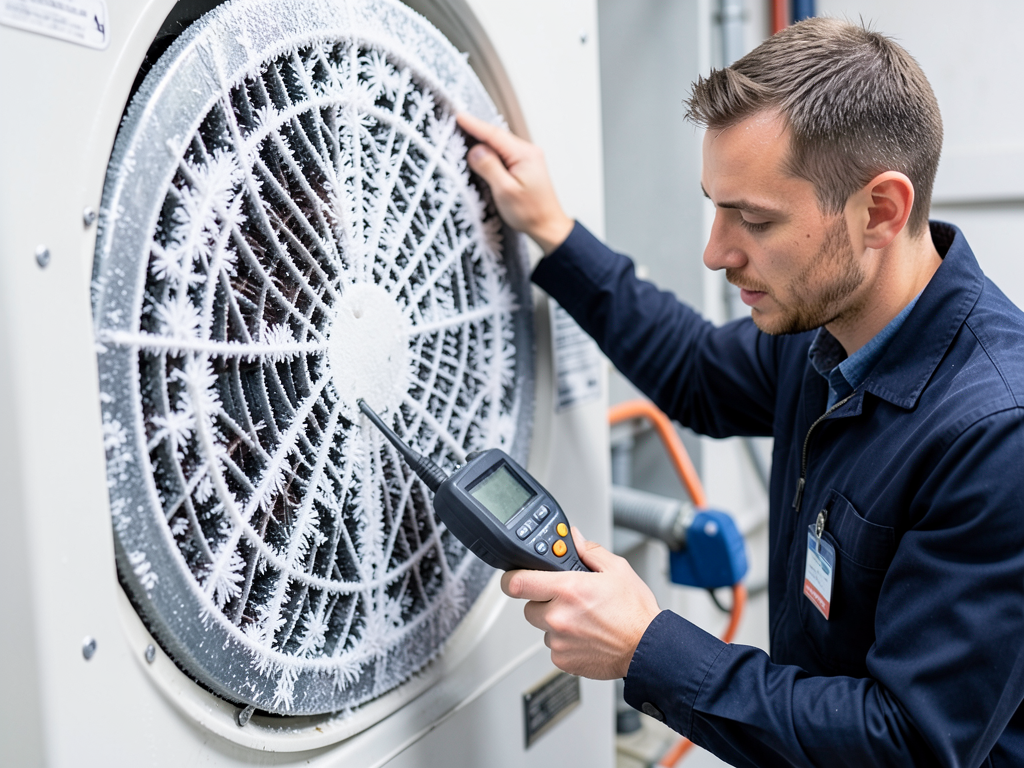
When your AC is blowing weakly, you are not just uncomfortable. You are burning extra electricity to move the same amount of air. Your compressor cycles more frequently. Your indoor coil freezes because restricted airflow cannot absorb enough heat. Ignoring reduced air flow from registers turns a simple duct repair into a full system replacement.

The problem gets worse when homeowners assume the fix is just turning up the thermostat. That masks the symptom while the underlying issue continues to damage your equipment and inflate your utility bills.

Why Baltimore Homes Struggle with Poor Airflow from AC Systems
How We Diagnose and Fix Weak Airflow from Vents the Right Way

How We Diagnose and Fix Weak Airflow from Vents the Right Way

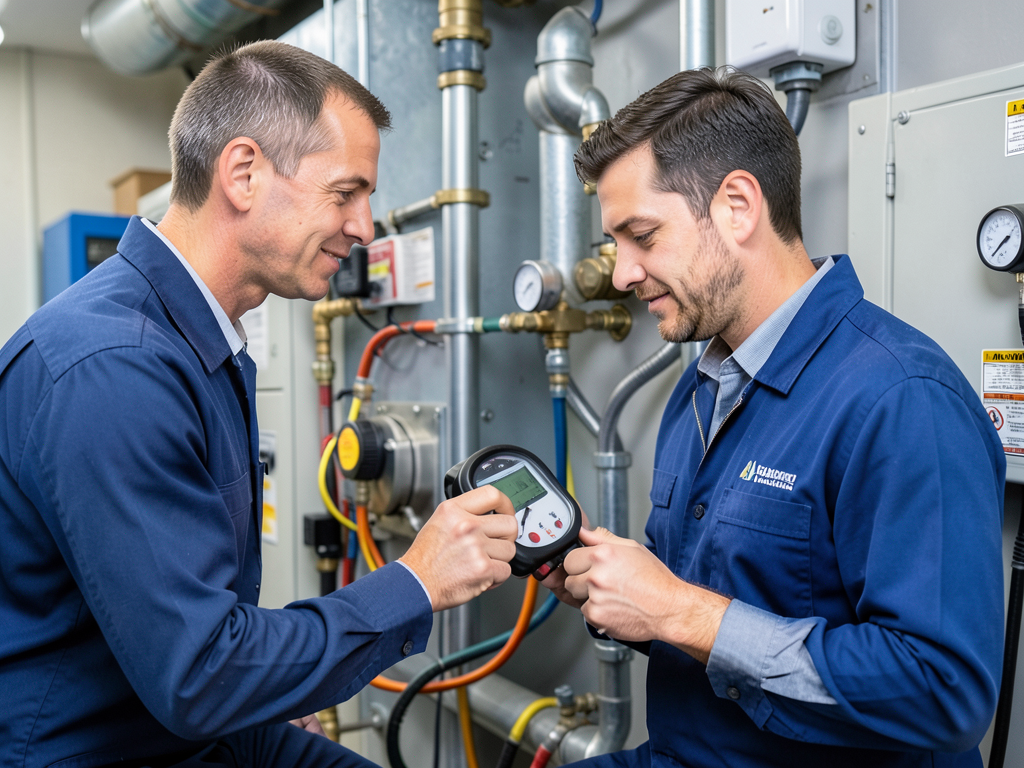
We do not guess. We measure. Our technicians use digital manometers to measure static pressure at the supply and return plenums. High static pressure confirms restricted airflow somewhere in the system. We check total external static pressure against your equipment manufacturer specifications. Most residential systems should run below 0.5 inches of water column. Readings above that threshold tell us exactly where to look.

We perform a visual inspection of all accessible ductwork. We check for crushed flex duct, disconnected joints, and missing dampers. We inspect the evaporator coil for dirt buildup that blocks airflow. A dirty coil reduces capacity by 30 percent or more. We pull the blower wheel and check for dust accumulation that unbalances the fan and reduces CFM output.

Filter condition matters more than most homeowners realize. A clogged filter creates a pressure drop that forces your blower motor to work harder while delivering less air. We check the filter slot for bypass air leaking around the filter frame. Even a small gap allows unfiltered air to coat your coil with dust.

Duct leakage is the most common cause of poor airflow from AC systems in Baltimore. We use a duct blaster to quantify total leakage and pinpoint where conditioned air escapes before reaching your registers. Sealing duct leaks with mastic and metal-backed tape restores airflow and cuts energy waste by 20 to 40 percent.

We measure airflow at each register using a flow hood. This identifies undersized duct runs or dampers that were never balanced correctly during installation. Proper balancing ensures every room receives the CFM it needs for comfort.

What Happens During Your Weak Airflow Service Call

Weak Airflow from Vents in Baltimore – Expert Diagnosis and Precision Repair to Restore Full Comfort
01

System Pressure Testing

We measure static pressure across your blower and compare it to factory specifications. High static pressure confirms a blockage or restriction somewhere in the duct system. We test at the supply plenum, return plenum, and across the filter to isolate where the restriction occurs. This diagnostic step takes 15 minutes and tells us exactly what is limiting airflow before we open any ductwork.
02

Component and Duct Inspection

We inspect your evaporator coil, blower wheel, and all accessible duct runs for dirt, damage, or disconnection. We check damper positions and verify proper filter installation. In Baltimore basements and crawl spaces, we look for crushed flex duct and open joints where conditioned air leaks into unconditioned space. We document problem areas with photos and explain what we find before recommending repairs.
03

Targeted Repair and Verification

We fix the identified issues. This might mean cleaning the coil, replacing the blower motor, sealing duct leaks, or reconnecting disconnected ductwork. After repairs, we re-measure static pressure and register airflow to verify full correction. We show you the before and after readings so you see the difference. You feel the improvement immediately when we turn the system back on.

Why Baltimore Homeowners Trust Victory HVAC Baltimore for Airflow Problems

Most HVAC companies take the easy route. They assume the problem is a dirty filter or bad capacitor. They replace a part, collect payment, and leave. Two weeks later, you still have little air coming out of vents because they never diagnosed the real issue.

We approach every airflow complaint with diagnostic rigor. Our technicians carry the tools to measure what matters. We do not charge you for guesswork. We identify the specific component or duct section causing the restriction, then fix it correctly the first time.

Baltimore's housing stock presents unique challenges. Rowhomes in Canton and Hampden have shared walls and limited attic access. Duct runs snake through tight spaces where poor installation or settling creates problems years later. We have worked in every neighborhood from Roland Park to Locust Point. We know how to access difficult duct runs and repair them without tearing apart your home.

Victory HVAC Baltimore technicians understand local building codes and the ductwork configurations common to different eras of Baltimore construction. Pre-war homes often have undersized return ducts. Post-war ranch homes frequently have flex duct that sags and restricts over time. Newer construction sometimes uses ductboard that absorbs moisture in humid basements and loses structural integrity.

We do not sell you a new system when a duct repair or coil cleaning will solve the problem. We provide honest assessments backed by measured data. You get a written report with pressure readings and a clear explanation of what needs fixing and why. No upselling. No scare tactics. Just professional diagnosis and competent repair.

What You Can Expect When You Call Victory HVAC Baltimore

Fast Response and Flexible Scheduling

We schedule most diagnostic visits within 24 to 48 hours. You are uncomfortable now. You need answers and relief quickly. Our technicians arrive on time with the diagnostic tools to identify the problem during the first visit. We offer evening and weekend appointments for homeowners who cannot take time off work. Once we diagnose the issue, we provide a clear timeline for repair. Simple fixes like filter replacement or damper adjustment happen same-day. Duct sealing or component replacement typically schedules within three to five business days depending on parts availability.

Comprehensive Diagnostic Assessment

Our diagnostic process takes 60 to 90 minutes. We measure static pressure, inspect all accessible components, check refrigerant levels if applicable, and test airflow at multiple registers. You receive a written report with measured values and photos of problem areas. We explain what we found in plain language. You understand exactly why you have poor airflow from AC and what it takes to fix it. We answer all your questions before discussing repair options. You never feel rushed or pressured. We provide upfront pricing for recommended repairs with no hidden fees.

Verified Repair Results

We do not consider the job finished until we verify full airflow restoration. After completing repairs, we re-measure static pressure and register CFM to confirm the problem is resolved. You see the before and after numbers. We run the system through a full cooling cycle to verify proper operation under load. We check temperature splits across the coil and verify proper dehumidification. You feel the difference immediately. Strong, consistent airflow from every register. Balanced temperatures throughout your home. Lower energy consumption and better comfort.

Post-Repair Support and Maintenance Plans

We stand behind our work. All repairs include our standard workmanship commitment. We provide care instructions specific to your system and the repairs we completed. We offer optional maintenance plans that include biannual inspections, priority scheduling, and discounted repairs. Regular maintenance prevents future airflow problems by catching filter clogs, coil buildup, and duct issues before they restrict airflow again. Our maintenance customers rarely experience repeat airflow problems because we address issues proactively during scheduled tune-ups. You receive reminders when service is due so you never forget.

Frequently Asked Questions

You Have Questions,
We Have Answers

Why do I barely feel air coming out of my vents? +

Weak airflow usually stems from a clogged air filter, blocked return vents, or closed dampers. In Baltimore homes, high humidity and pollen loads can choke filters faster than expected. Check your filter first. If it looks dirty, replace it. Next, walk through your home and make sure furniture or curtains are not blocking vents or return grilles. If the problem persists, you may have ductwork leaks, a failing blower motor, or an undersized system. A technician can measure static pressure and diagnose the root cause.

Why is my AC not blowing hard through the vents? +

Your AC may not blow hard due to a dirty filter, frozen evaporator coil, or blower motor issue. Baltimore's humid summers strain systems, and condensation can freeze coils when airflow drops. Start by replacing the filter. If airflow remains weak, turn off the system and let the coil thaw for several hours. Inspect the blower wheel for dust buildup. If the wheel is caked with debris, it cannot move air efficiently. A professional cleaning or motor replacement restores proper airflow and system performance.

How to increase air flow in vents? +

To increase airflow, replace your air filter every 30 to 60 days. Remove obstructions from supply and return vents. Open all dampers in your ductwork. Clean the blower wheel and evaporator coil if accessible. In older Baltimore rowhomes, ducts may be undersized or crimped. Sealing duct leaks and insulating runs in unconditioned spaces helps. If airflow remains weak after these steps, your system may need a blower motor upgrade or duct redesign. A static pressure test identifies bottlenecks and guides the fix.

What is the $5000 AC rule? +

The 5000 dollar AC rule is a guideline for deciding whether to repair or replace an aging air conditioner. Multiply the repair cost by the system age in years. If the result exceeds 5000, replacement makes more financial sense. For example, a 15-year-old unit needing a 400 dollar compressor gives you 6000, suggesting replacement. Baltimore homeowners should also consider efficiency gains and refrigerant phase-outs. Newer systems use R-410A or R-32 and save on monthly bills, offsetting upfront costs over time.

What is the 2 foot rule for HVAC? +

The 2 foot rule states you should keep furniture, boxes, and other obstructions at least 2 feet away from supply and return vents. This clearance allows proper airflow and prevents pressure imbalances. In tight Baltimore rowhomes and condos, people often push sofas or shelving against walls, blocking returns. When returns are choked, the blower works harder, static pressure rises, and the system strains. You may notice warm spots, frozen coils, or higher electric bills. Maintaining clear space around all grilles protects efficiency and equipment lifespan.

How to tell if a house has poor ventilation? +

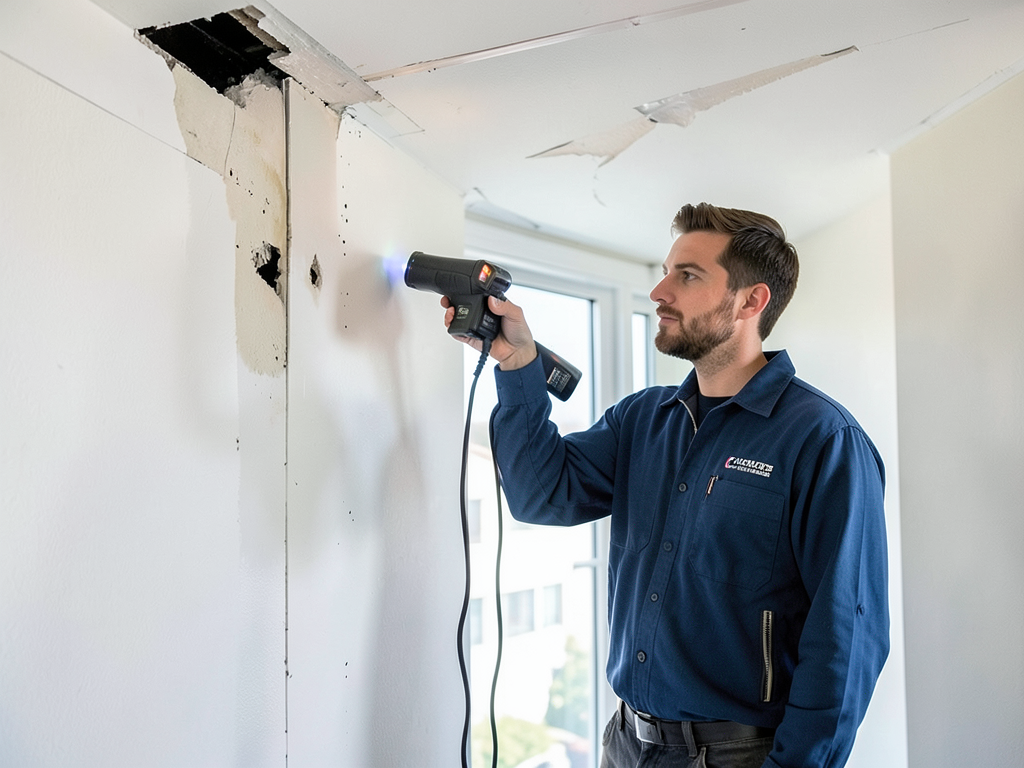
Signs of poor ventilation include stuffy air, lingering odors, excessive humidity, and condensation on windows. Baltimore homes with older construction may lack adequate return pathways or have sealed attics without soffit vents. You may also see mold growth in bathrooms or basements. Test airflow by holding tissue near returns and supplies. If the tissue barely moves, ventilation is insufficient. High indoor humidity above 60 percent signals poor air exchange. A professional can measure ventilation rates and recommend solutions like additional returns or mechanical ventilation systems.

What is the 3 minute rule for AC? +

The 3 minute rule recommends waiting at least 3 minutes after shutdown before restarting your air conditioner. This pause allows refrigerant pressures to equalize between the high and low sides of the system. Restarting too quickly forces the compressor to start against high pressure, risking damage or tripped breakers. Baltimore summer power outages are common during storms. When power returns, avoid flipping the thermostat back on immediately. The delay protects the compressor and extends system life. Most modern units have built-in time delays for this reason.

How do you fix a weak AC airflow? +

Start by replacing the air filter and clearing all vent obstructions. If airflow remains weak, check for ice on the evaporator coil and let it thaw completely. Inspect the blower wheel for dust buildup and clean it if necessary. Baltimore homes with older ductwork may have disconnected sections or crushed flex ducts in crawlspaces. Seal visible leaks with mastic or metal tape, not cloth duct tape. If the blower motor sounds strained or the capacitor is swollen, call a technician. Persistent weak airflow often requires professional diagnostics and repair.

Why is my AC set to 72 but reads 78? +

If your thermostat shows 78 when set to 72, your system cannot keep up with heat load. Common causes include dirty filters, low refrigerant, undersized equipment, or failing compressors. In Baltimore rowhouses with shared walls and flat roofs, attic heat radiates down faster than older units can remove it. Check your filter first. If clean, the outdoor unit may be running but not cooling due to refrigerant leaks or compressor failure. An HVAC technician can measure suction and discharge pressures to pinpoint the issue and restore cooling capacity.

Do air vent boosters really work? +

Vent boosters work in limited situations but rarely solve underlying problems. They can help push conditioned air down long duct runs or into basement rooms, but they do not fix weak airflow caused by dirty filters, leaky ducts, or undersized systems. In Baltimore homes with complex ductwork layouts, boosters may create negative pressure elsewhere, worsening airflow in other rooms. Before installing a booster, address the root cause. If your blower motor or ductwork design is inadequate, a booster becomes a band-aid on a structural issue.

How Baltimore's Humidity and Aging Housing Stock Worsen Weak Airflow from Vents

Baltimore sits near the Chesapeake Bay, which creates high summer humidity that stresses HVAC systems. When your system already struggles with reduced air flow from registers, high humidity makes the problem worse. Your evaporator coil must remove both heat and moisture. Restricted airflow prevents adequate heat absorption, which causes the coil to freeze and shut down. Baltimore's housing stock compounds the issue. Many rowhomes and older single-family homes in neighborhoods like Hampden and Mount Vernon were built before central air became standard. Ductwork was added later and often undersized or poorly routed through cramped basements. This creates permanent restrictions that weak blower motors cannot overcome.

Victory HVAC Baltimore has served the greater Baltimore metro for years. We understand the specific challenges that local homeowners face with aging duct systems and high humidity loads. Our technicians know how to work in tight rowhome basements and attics with limited access. We are familiar with the ductwork configurations common to different eras of Baltimore construction. We follow local building codes and best practices for duct repair and replacement. When you choose a local company like Victory HVAC Baltimore, you work with technicians who understand your home and your climate. We are part of your community, and we protect our reputation by doing the job right.
HVAC Services in The Baltimore Area

Easily locate Victory HVAC and our service areas on the map below. We are strategically positioned to provide prompt and efficient heating, ventilation, and air conditioning services across the entire region. Whether you're seeking a new installation, emergency repair, or routine maintenance, our team is readily available to reach your location quickly, ensuring your comfort is restored without delay. Feel free to zoom in to see our exact location or contact us for directions and service area details.

Address:
Victory HVAC Baltimore, 729 E Pratt St, Baltimore, MD, 21202

Additional Services We Offer

Our news updates

Latest Articles & News from The Blogs

The Best Time to Switch Your Guilford Home from Heating to Cooling Mode When should you flip that thermostat switch…

The Best Time to Switch Your Guilford Home from Heating to Cooling Mode

The Best Time to Switch Your Guilford Home from Heating to Cooling Mode When should you flip that thermostat switch…

How Much Space Does Your AC Unit Actually Need from Landscaping in Your Ruxton Yard?

How Much Space Does Your AC Unit Actually Need from Landscaping in Your Ruxton Yard? Your outdoor AC condenser needs…

Common Reasons Your Brooklyn Park AC Is Blowing Warm Air

Common Reasons Your Brooklyn Park AC Is Blowing Warm Air Your air conditioner is running but the air coming from…

Contact Us

You deserve strong, consistent airflow from every register in your home. Call Victory HVAC Baltimore at (443) 390-4933 now to schedule your diagnostic assessment. We will identify the problem and fix it right the first time.