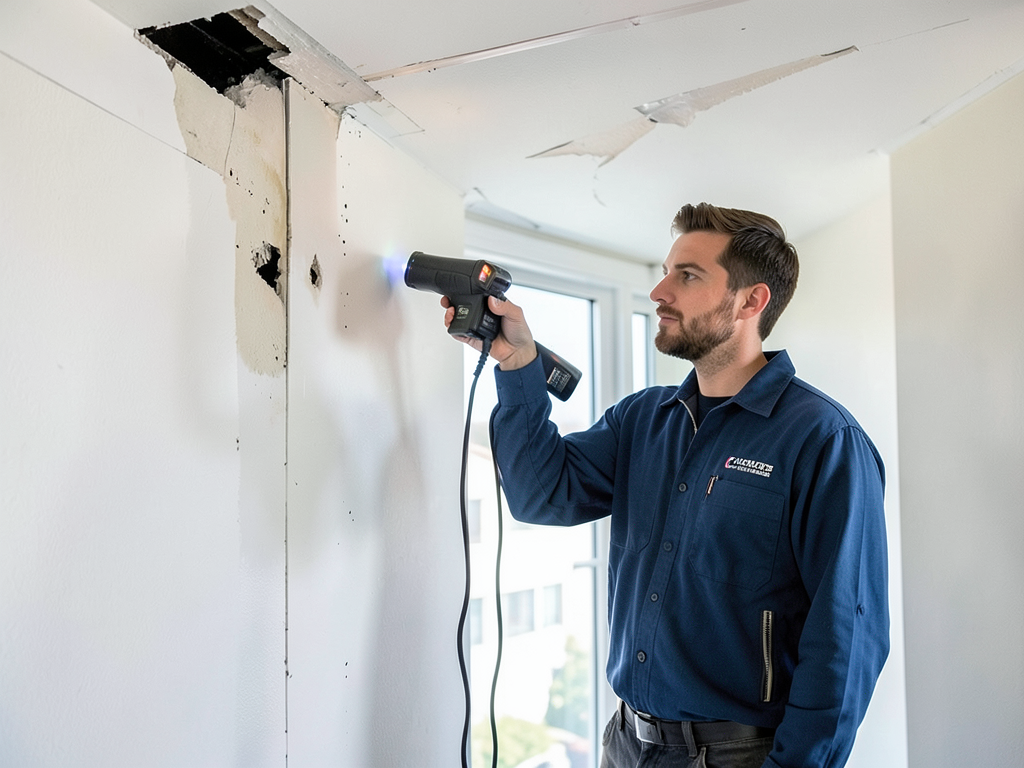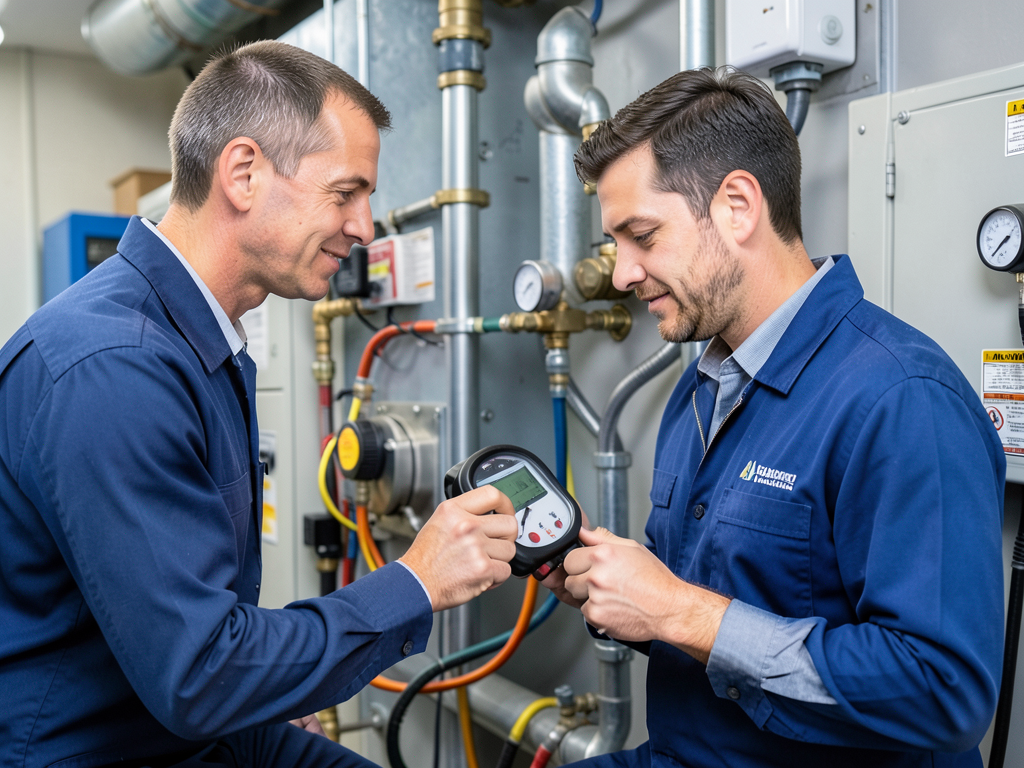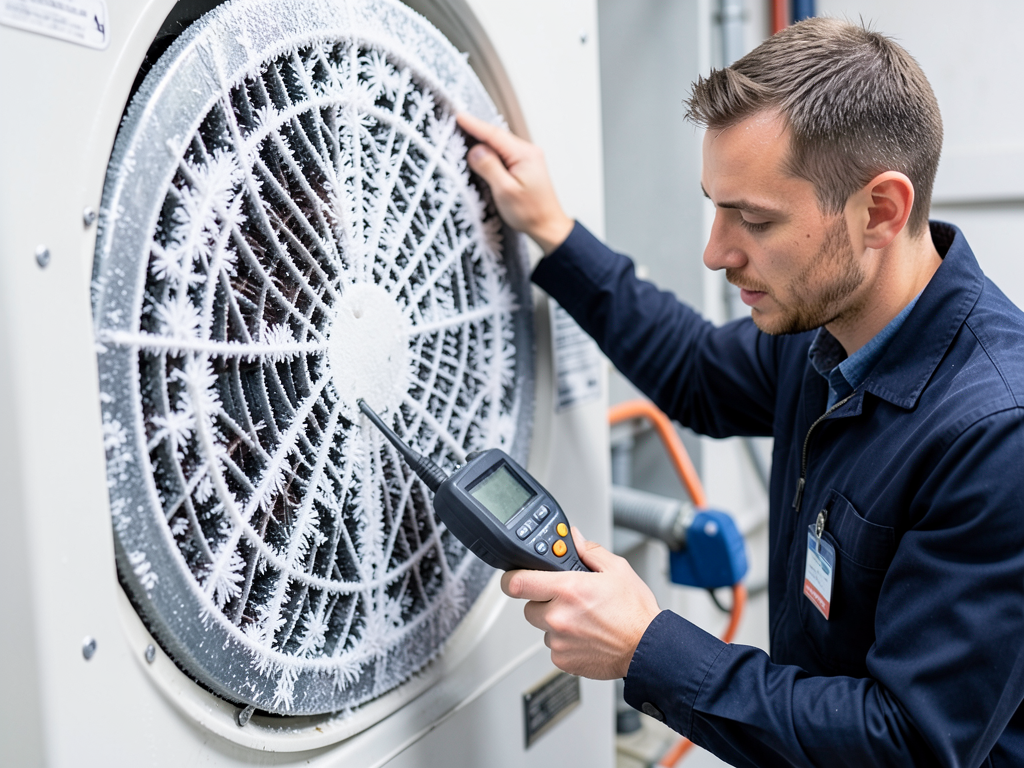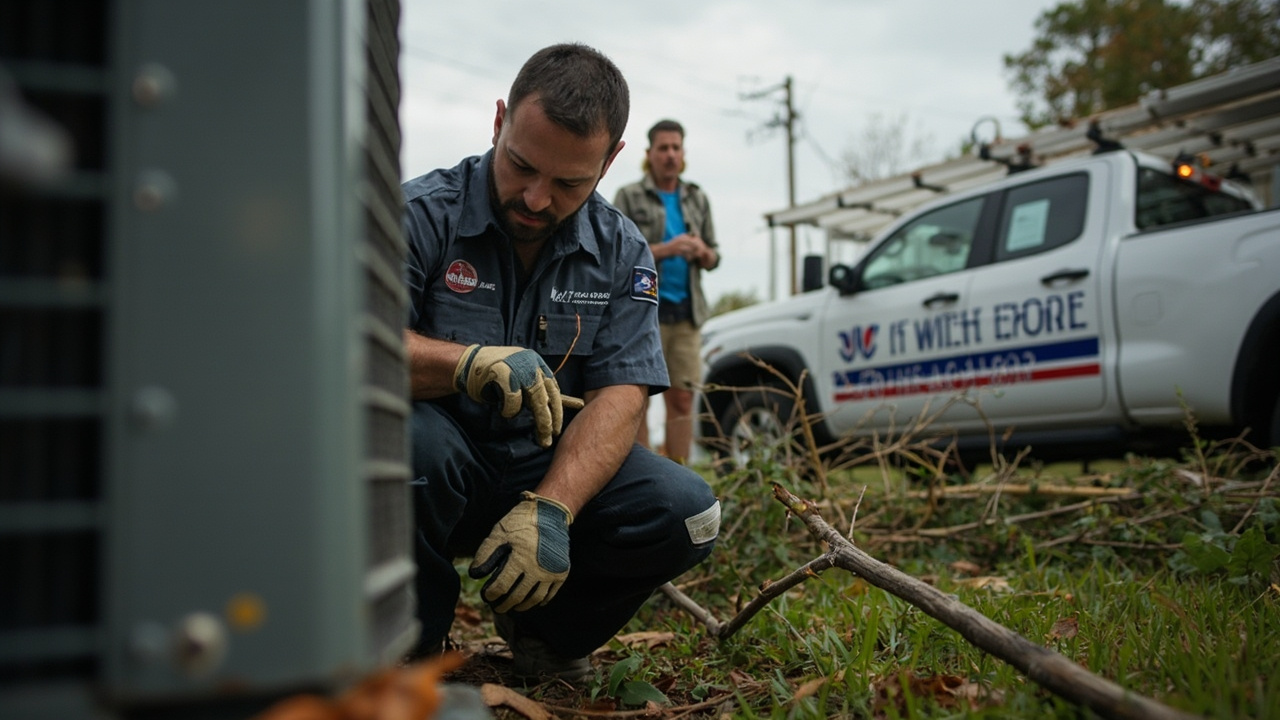
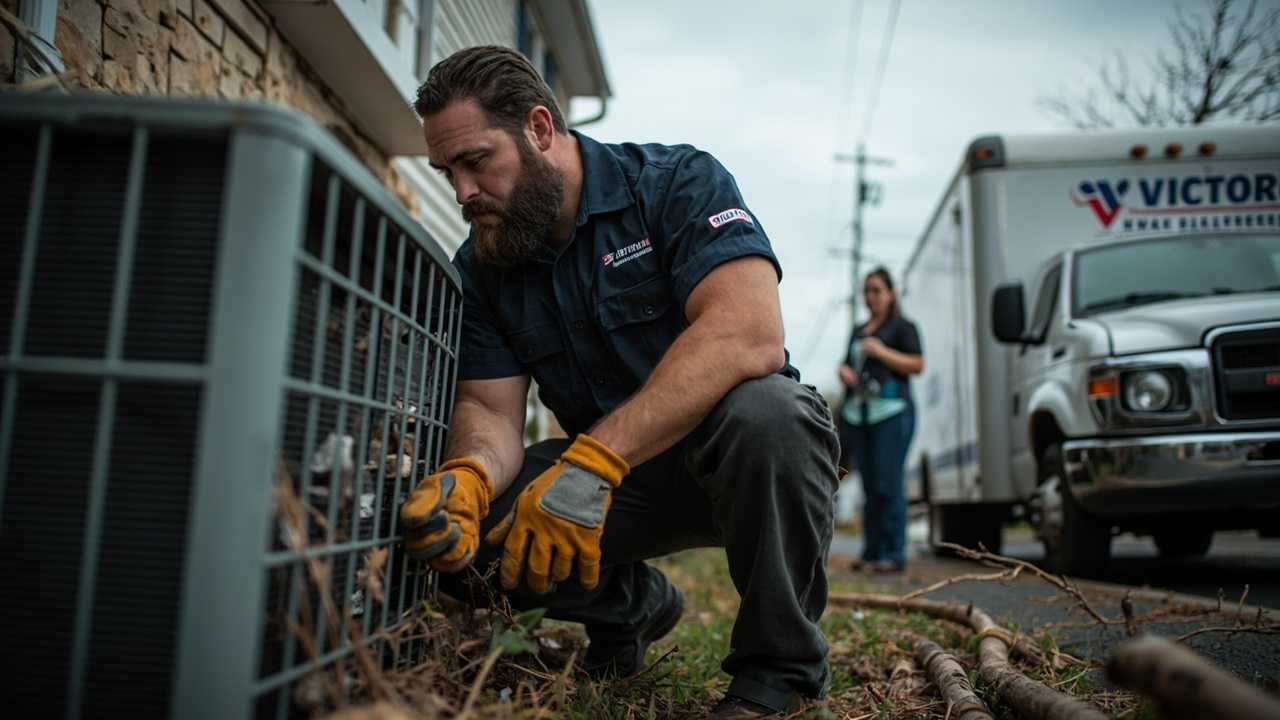
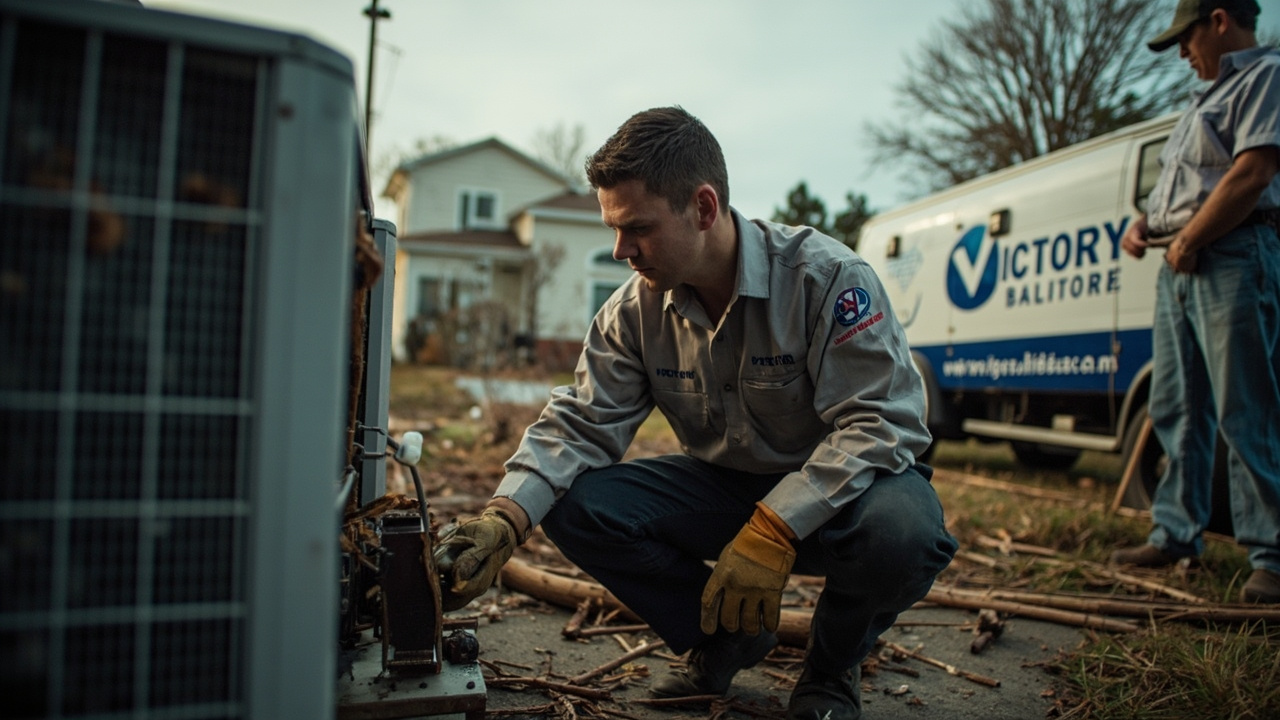
Baltimore sits at the convergence of three weather systems: Atlantic coastal moisture, Appalachian mountain downslope winds, and Chesapeake Bay thermal effects. This creates severe summer thunderstorms with minimal warning time. The flat terrain east of the city toward Essex and Middle River offers no wind breaks, allowing straight-line winds to build speed across open water before slamming into residential areas. Your HVAC condenser experiences wind loads 40 percent higher than systems located 20 miles inland. Spring nor'easters dump three inches of rain in 90 minutes, flooding basement mechanical rooms in older neighborhoods like Lauraville and Cedarcroft where floor drains can't handle the volume. Emergency HVAC storm repair in Baltimore means understanding how Bay humidity accelerates corrosion on damaged electrical components, turning a minor repair into a major replacement within 72 hours if left unaddressed.
Baltimore County and Baltimore City enforce different mechanical codes for HVAC repairs, creating confusion during emergency situations. County properties follow the International Mechanical Code with local amendments requiring seismic restraints on rooftop units, while City properties follow an older code that grandfathers certain installations. Victory HVAC Baltimore maintains current knowledge of both jurisdictions and pulls permits when storm damage repair requires code compliance upgrades. We've built relationships with local inspectors who understand emergency repair timelines and prioritize storm damage inspections. This local expertise prevents the permit delays that leave other contractors waiting weeks for approval while you suffer without heating or cooling. Our technicians carry contractor licenses recognized by both jurisdictions, eliminating the jurisdiction-switching delays that slow multi-property repairs for landlords with holdings across Baltimore City and County lines.