Menu

Rapid Response Cooling in Baltimore – Emergency AC Repair Dispatched Within 60 Minutes

When your air conditioning fails during a Baltimore heat wave, you need immediate cooling restoration. Victory HVAC Baltimore delivers urgent air conditioning service with same-day diagnostics, expert repairs, and around-the-clock availability to protect your family from dangerous indoor temperatures.

Slider Image 1
Slider Image 2
Slider Image 3
Slider Image 4
Slider Image 5
Slider Image 7
Slider Image 8
Slider Image 9
Slider Image 10
Slider Image 11

Baltimore's Heat and Humidity Create Dangerous Indoor Conditions Fast

Your AC just quit. The temperature inside climbs. Within two hours, your home reaches 85 degrees. Within four hours, it hits 95. Baltimore's humid summer climate makes AC failure a health emergency, not just an inconvenience.

The Mid-Atlantic humidity compounds the problem. When outdoor dewpoints hover in the 70s and indoor temperatures spike, your home becomes a sweat box. Elderly family members face heat exhaustion. Children struggle to sleep. Pets pant and pace. Prescription medications stored at room temperature degrade. Food spoils faster. The longer you wait, the worse it gets.

Emergency AC repair in Baltimore requires technicians who understand the local climate stress on HVAC systems. The Chesapeake Bay proximity creates moisture-laden air that corrodes capacitors, clogs condensate lines, and overworks compressors. Rowhouse construction in neighborhoods like Canton, Federal Hill, and Fells Point traps heat between shared walls, amplifying indoor temperatures when cooling fails.

You need immediate AC service that stops the heat spike before it becomes dangerous. Waiting until tomorrow is not safe. Waiting for a callback is not acceptable. You need 24/7 cooling repair with technicians who arrive prepared to diagnose and fix the problem tonight.

Urgent air conditioning service means a truck rolls within the hour. It means diagnostic tools in hand, replacement parts in stock, and the experience to identify compressor failure versus refrigerant leaks versus electrical faults in minutes, not days.

Baltimore's Heat and Humidity Create Dangerous Indoor Conditions Fast
How Victory HVAC Baltimore Restores Cooling in Emergency Situations

How Victory HVAC Baltimore Restores Cooling in Emergency Situations

Emergency HVAC cooling demands a different response protocol than scheduled maintenance. We dispatch technicians with fully stocked trucks containing the most common failure components for residential split systems, package units, and mini-splits.

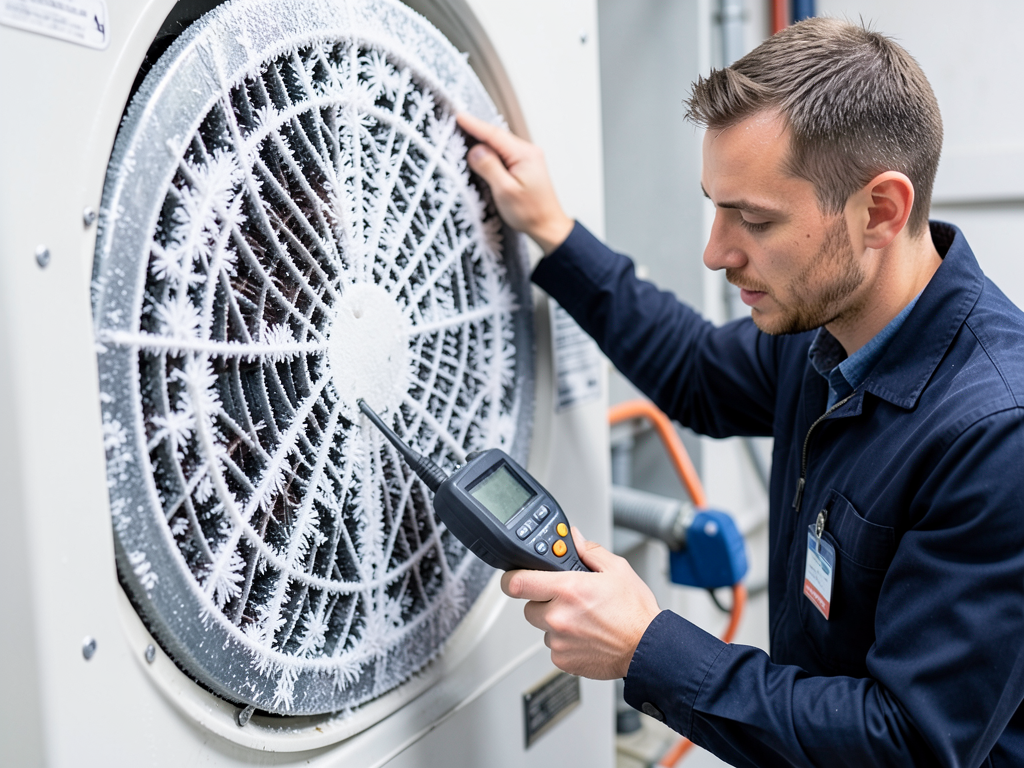
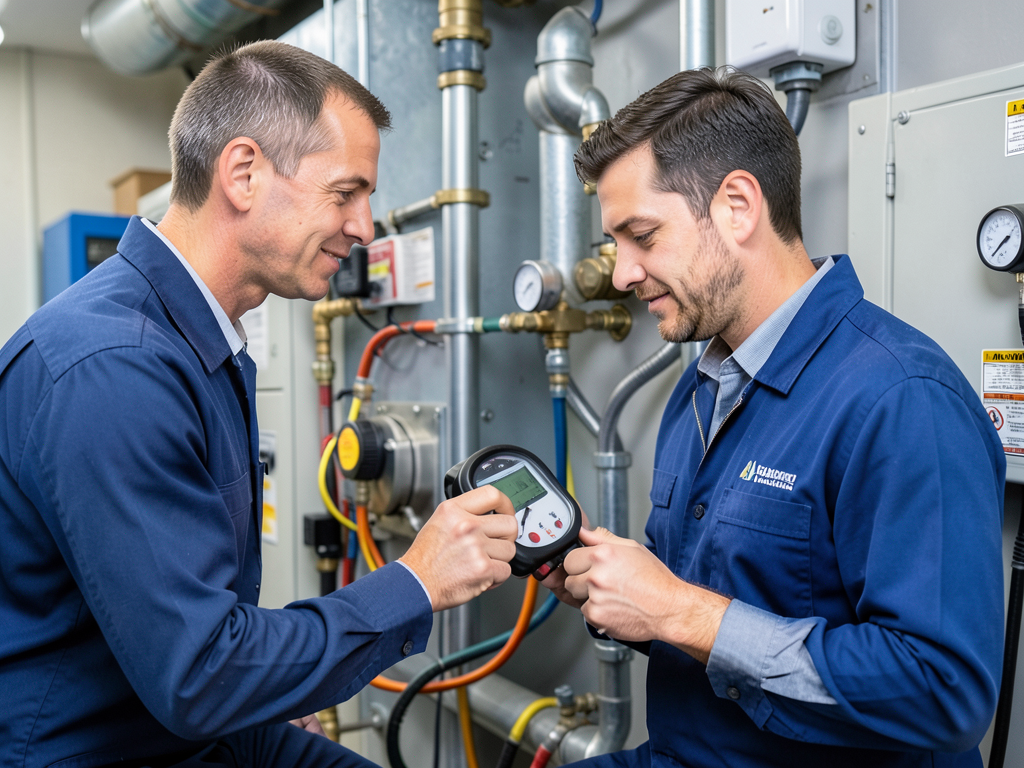
The diagnostic process starts at the thermostat and works systematically through the control circuit, compressor contactor, capacitor bank, and refrigerant pressures. We use manifold gauges to measure suction and discharge pressures, multimeters to test voltage at the condensing unit, and amperage clamps to verify compressor draw matches nameplate specifications.

Most emergency AC failures in Baltimore stem from capacitor burnout, contactor pitting, or low refrigerant from pinhole leaks in evaporator coils. Capacitors fail when subjected to repetitive thermal cycling during humid summers. Contactors pit from electrical arcing after years of daily use. Evaporator coils develop leaks when condensate acidity erodes copper tubing.

We carry dual-run capacitors in 5 to 80 microfarad ratings, single-pole contactors rated for 24V coil voltage, and R-410A refrigerant for modern systems. If your system uses older R-22 refrigerant, we carry that too, along with leak detection equipment to locate the source before adding refrigerant.

For compressor failures, we provide honest assessment. If the compressor is locked or has catastrophic internal damage, we explain replacement options immediately. If the system is repairable, we make the repair tonight. No upselling. No scare tactics. Just straight diagnosis and the fastest path back to cool air.

Temperature restoration happens in stages. Expect indoor temps to drop 10 degrees in the first hour, another 10 in the second hour, and full cooling within three to four hours depending on home size and insulation.

What Happens When You Call for Rapid Response Cooling

Rapid Response Cooling in Baltimore – Emergency AC Repair Dispatched Within 60 Minutes
01

Immediate Dispatch and Arrival

You call our emergency line at (443) 390-4933. We answer, not voicemail. We ask three questions: Is the outdoor unit running? Is the thermostat set correctly? Do you smell burning? Based on your answers, we dispatch a technician with the likely parts already on the truck. You get a name, a phone number, and an arrival window within 60 minutes for Baltimore city and immediate suburbs.
02

Onsite Diagnosis and Repair

The technician arrives with tools, parts, and refrigerant. The diagnostic process takes 15 to 30 minutes. We test electrical components first because those are the fastest fixes. Then we check refrigerant levels and airflow. You get a verbal explanation of the problem and the repair cost before any work begins. Most emergency repairs finish within 90 minutes of arrival. Compressor replacements take longer and may require a return visit for the replacement unit.
03

System Testing and Cooldown

After the repair, we run the system through a full cooling cycle. We verify the compressor amperage, measure supply and return air temperature split, and confirm proper refrigerant pressures at operating temperature. You should feel cold air from the vents within five minutes. We stay until the system runs stable and the indoor temperature starts dropping. You get a written receipt with the repair details and parts installed.

Why Baltimore Residents Call Victory HVAC for Emergency Cooling

Emergency HVAC service in Baltimore requires technicians who know the housing stock. Rowhomes in Hampden and Pigtown have attic-mounted air handlers accessed through narrow pull-down stairs. Bolton Hill Victorian homes have ductwork retrofitted into plaster walls. Highlandtown rowhouses have outdoor condensing units mounted in tight courtyards between buildings.

We have worked on every configuration. We know how to navigate tight spaces, work around old knob-and-tube wiring, and access air handlers in cramped attics without damaging ceilings. That familiarity means faster repairs and fewer complications.

Baltimore's older housing stock also means older HVAC systems. Many homes still run R-22 systems installed in the 1990s and early 2000s. We carry R-22 refrigerant and the parts to service those aging units. When those systems fail, we can also provide guidance on replacement options that meet current efficiency standards without forcing you into a decision during an emergency.

Our trucks stock parts for the brands most common in Baltimore homes: Carrier, Trane, Lennox, Goodman, and Rheem. We also carry universal replacement capacitors and contactors that fit dozens of manufacturers. That parts inventory is the difference between a two-hour repair and a two-day wait for an order.

You also get transparent pricing. Emergency service costs more than scheduled appointments because of after-hours availability and immediate dispatch. We do not hide that. The trip charge covers the first hour. Repairs are priced by the component, not by how desperate you are. You approve the cost before we start.

We have served Baltimore homeowners through heat waves, power outages, and aging system failures. We understand the urgency when the indoor temperature climbs and family health is at risk.

What to Expect During Emergency AC Service

Response Time and Availability

We dispatch technicians 24 hours a day, seven days a week, including holidays. When you call (443) 390-4933, you reach a live person who can send a technician immediately. Response time averages 60 minutes for Baltimore city, Towson, Catonsville, and Dundalk. Outer suburbs may take 90 minutes depending on current call volume. We do not put you on a waiting list. We do not tell you to call back tomorrow. If you need cooling tonight, we send someone tonight. You get a call when the technician is 15 minutes out.

Diagnostic Process and Approval

The technician performs a systematic diagnostic that checks electrical components, refrigerant pressures, airflow, and control circuits. You receive a clear explanation of the problem in plain language. If the repair is straightforward, you get a flat price. If the issue requires deeper investigation or a major component replacement, we provide options with associated costs. You approve the work before we proceed. The diagnostic fee applies toward the repair if you move forward. There are no hidden fees or surprise charges after the work is done.

Repair Quality and Parts

We use OEM parts when available and high-grade aftermarket parts when OEM is not stocked. Capacitors are rated for high-temperature operation. Contactors are rated for the electrical load. Refrigerant meets EPA purity standards. The repair is done correctly, not quickly. We do not bypass safety controls or use temporary fixes. If a component is marginal but still functioning, we tell you so you can plan for replacement, but we do not replace parts that do not need replacing. The goal is to restore reliable cooling, not to maximize the invoice.

Post-Repair Support and Follow-Up

After the repair, you receive documentation of the work performed, parts installed, and refrigerant added. If the system develops related issues within the next 30 days, we return to assess the problem at no additional trip charge. That does not mean we warranty the entire system, but it does mean we stand behind the repair we just completed. We also provide guidance on maintenance steps that reduce the risk of future emergency failures, including filter replacement schedules, condensate line cleaning, and annual tune-ups before cooling season starts.

Frequently Asked Questions

You Have Questions,
We Have Answers

What is the $5000 AC rule? +

The $5000 AC rule refers to IRS guidance for HVAC capital improvements. If your new air conditioner costs over $5000 installed, it may qualify as a capital improvement rather than a simple repair, potentially allowing you to depreciate the cost or claim energy efficiency tax credits. This threshold matters for homeowners in Baltimore seeking federal tax incentives for high-efficiency units. The rule also applies to heat pumps and complete system replacements. Always consult a tax professional to verify eligibility, as qualifications change yearly and depend on system SEER ratings and installation specifics.

What is the 3 minute rule for AC? +

The 3 minute rule protects your compressor from short cycling damage. After your AC shuts off, wait at least 3 minutes before restarting the system. This allows refrigerant pressure to equalize between the high and low sides of the system. Restarting too quickly forces the compressor to work against unbalanced pressure, causing strain and premature failure. In Baltimore's humid summers, homeowners often fiddle with thermostats when the house feels warm. Resist the urge. Modern units have built-in delay timers, but manual overrides can bypass this protection and cost you thousands in compressor replacement.

How cool should my house be if it's 100 outside? +

When outdoor temps hit 100 degrees, your AC can realistically cool your home 15 to 20 degrees below outside temperature. Expect indoor temps around 80 to 85 degrees during extreme heat. Baltimore rarely sees sustained triple-digit heat, but during heat waves with high humidity, your system works harder. A properly sized unit running continuously on a 100-degree day is normal, not a malfunction. Close blinds, minimize door openings, and run ceiling fans to improve comfort. If your home cannot reach 85 degrees during peak heat, you may have undersized equipment or airflow problems.

How much do HVAC technicians charge per hour? +

HVAC technicians in Baltimore typically charge $75 to $150 per hour for service calls, with emergency or after-hours rates reaching $200 per hour. Most companies charge a flat diagnostic fee of $89 to $129, which may apply toward repairs. Rates vary based on technician experience, company overhead, and job complexity. Commercial work or specialized tasks like refrigerant leak detection cost more. In Baltimore's competitive market, price-shopping makes sense, but the cheapest rate often means rushed work or upselling. Focus on transparent pricing, not the lowest hourly number. Quality diagnostics save you money long-term.

Can I write off my new AC unit on my taxes? +

Yes, you can potentially write off your new AC unit through federal energy efficiency tax credits or home improvement deductions. The Inflation Reduction Act offers credits up to $2000 for high-efficiency heat pumps and central air systems meeting specific SEER2 ratings. For Baltimore homeowners, replacing older units with ENERGY STAR certified models qualifies. You cannot deduct standard replacements as repairs on your primary residence, but energy credits apply regardless. If the AC serves a home office or rental property, different deductions exist. Keep all receipts and manufacturer certification statements. Consult a CPA for your situation.

Is a 3 ton AC too big for 1500 square feet? +

A 3 ton AC is appropriate for 1500 square feet in most Baltimore homes, but sizing depends on insulation, ceiling height, window count, and sun exposure. The old rule of 400 square feet per ton assumes average conditions. Baltimore's humidity and older housing stock with poor insulation often require larger capacity. Oversized units short cycle, failing to dehumidify properly and wasting energy. Undersized units run nonstop and never reach setpoint. A proper Manual J load calculation accounts for your home's specifics. Do not guess tonnage based on square footage alone. Incorrect sizing costs you comfort and money.

How do the amish keep cool in the summer? +

The Amish keep cool in summer through passive design and behavioral adaptation, not mechanical cooling. Homes feature high ceilings, cross-ventilation, large porches, and strategic tree placement for shade. They use whole-house fans to exhaust hot air at night, drawing cooler outdoor air through open windows. Basements provide natural cooling during peak heat. Daily routines shift to early morning and evening hours. While Baltimore's Amish communities are small, these principles apply to anyone facing AC failure. Open windows at night, close blinds during the day, and use fans to move air. It works temporarily.

How long should your AC run on a 100 degree day? +

On a 100-degree day, your AC should run nearly continuously, cycling on for 15 to 20 minutes per hour or running nonstop during peak afternoon heat. This is normal and expected. Baltimore rarely sees sustained triple-digit temps, but when heat waves hit, continuous operation maintains indoor comfort. Your system is designed for this. If the unit runs 24 hours straight and indoor temps keep rising, you have a problem: low refrigerant, dirty coils, failing compressor, or undersized equipment. Continuous runtime alone is not a red flag during extreme heat. Monitor indoor temperature, not runtime.

Why is my AC set at 74 but reads 78? +

Your thermostat reads 78 while set to 74 because your AC cannot keep up with heat gain. Possible causes include undersized equipment, low refrigerant charge, dirty evaporator coils, blocked condenser airflow, or failing compressor. In Baltimore's summer humidity, a 4-degree gap signals a problem. Check your air filter first. A clogged filter restricts airflow and cuts cooling capacity by 30 percent. If the filter is clean and the outdoor unit runs constantly without cooling, call for service immediately. Refrigerant leaks and compressor issues worsen quickly. Do not ignore a persistent temperature gap.

How long does it take to cool a house from 80 to 70? +

Cooling your home from 80 to 70 degrees typically takes 2 to 4 hours, depending on system size, insulation, and outdoor temperature. In Baltimore's humid climate, dehumidification adds time. A properly sized AC removes about 3 degrees per hour under normal conditions. If outdoor temps exceed 95 degrees, expect slower progress. Homes with poor insulation, leaky ductwork, or undersized equipment take longer. Closing blinds and minimizing door openings speed the process. If your system takes over 5 hours or never reaches setpoint, you likely have low refrigerant, airflow problems, or inadequate tonnage.

Why Baltimore's Humidity and Chesapeake Proximity Accelerate AC Failures

Baltimore sits at the northern edge of the humid subtropical climate zone, with summer dewpoints regularly reaching the low to mid 70s. That moisture saturates the air and creates constant condensation on evaporator coils. Over time, condensate acidity corrodes aluminum fins and copper tubing. The Chesapeake Bay and Patapsco River proximity add salt-laden air in waterfront neighborhoods like Locust Point and Canton, accelerating corrosion on outdoor condensing units. Capacitors and contactors fail faster in humid environments because moisture intrusion degrades dielectric materials and promotes electrical arcing. Emergency AC repair in Baltimore happens more frequently than in drier climates because the environmental stress on HVAC components is relentless.

Baltimore's mix of historic rowhomes, post-war bungalows, and modern construction means HVAC systems are installed in wildly different configurations. A technician who only knows suburban split systems will struggle with a Hampden rowhouse that has a basement air handler and ductwork routed through interior chases. Victory HVAC Baltimore has worked in every neighborhood and every housing type. We understand local building patterns, know where shut-off valves are typically located in older homes, and can navigate the access challenges that come with century-old construction. That local expertise translates to faster diagnosis and fewer complications during emergency repairs.
HVAC Services in The Baltimore Area

Easily locate Victory HVAC and our service areas on the map below. We are strategically positioned to provide prompt and efficient heating, ventilation, and air conditioning services across the entire region. Whether you're seeking a new installation, emergency repair, or routine maintenance, our team is readily available to reach your location quickly, ensuring your comfort is restored without delay. Feel free to zoom in to see our exact location or contact us for directions and service area details.

Address:
Victory HVAC Baltimore, 729 E Pratt St, Baltimore, MD, 21202

Additional Services We Offer

Our news updates

Latest Articles & News from The Blogs

Effective Strategies for Managing Airflow in the Open Concept Rowhomes of Greektown Managing airflow in Baltimore's open concept rowhomes presents…

Effective Strategies for Managing Airflow in the Open Concept Rowhomes of Greektown

Effective Strategies for Managing Airflow in the Open Concept Rowhomes of Greektown Managing airflow in Baltimore's open concept rowhomes presents…

Why Your Bolton Hill Radiators Are Making Loud Clanging Noises

Why Your Bolton Hill Radiators Are Making Loud Clanging Noises Your historic Bolton Hill rowhome deserves quiet, reliable heat. When…

What Those Strange Hissing and Banging Noises from Your Rosedale Furnace Actually Mean

What Those Strange Hissing and Banging Noises from Your Rosedale Furnace Actually Mean Your furnace should run quietly in the…

Contact Us

Your family should not spend another hour sweating. Call (443) 390-4933 now for immediate dispatch. Victory HVAC Baltimore will send a technician to your door within 60 minutes with the tools and parts to restore cooling tonight.