Menu

24/7 Emergency AC Repair in Baltimore – Technicians Dispatched Within 60 Minutes

When your air conditioner fails at 2 AM or during a holiday weekend, Victory HVAC Baltimore has live technicians standing by around the clock to restore cooling fast, with fully stocked trucks and immediate dispatch for emergency air conditioning repair across the greater Baltimore metro.

Slider Image 1
Slider Image 2
Slider Image 3
Slider Image 4
Slider Image 5
Slider Image 7
Slider Image 8
Slider Image 9
Slider Image 10
Slider Image 11

Why Baltimore AC Emergencies Cannot Wait Until Morning

Baltimore summers hit hard. When the Chesapeake Bay humidity combines with 95-degree heat, indoor temperatures can climb to dangerous levels within two hours of AC failure. Your compressor does not care that it is Saturday night or Christmas morning. It fails when it fails.

You need urgent air conditioner service because the stakes go beyond discomfort. Elderly residents face heat exhaustion risk. Pets struggle to regulate body temperature. Medications stored at room temperature can degrade. Your frozen food starts thawing. The longer you wait, the more secondary damage accumulates.

Baltimore's brick rowhomes and older construction trap heat differently than suburban builds. These structures were designed before central air became standard, which means poor attic ventilation and inadequate insulation. When your AC stops, these homes turn into ovens fast.

After hours ac repair exists because HVAC emergencies follow no schedule. Capacitors blow during heat waves when the system runs nonstop. Refrigerant leaks happen at 3 AM. Blower motors seize on Sunday afternoons. The compressor that struggled all week finally quits Friday night.

Waiting until Monday means three days of misery, potential heat-related illness, and often more expensive repairs because overheated components damage surrounding parts. Emergency hvac repair stops the cascade before your entire system needs replacement. Every hour you delay in Baltimore's summer heat increases the risk of compressor burnout or irreversible damage to your evaporator coil.

Why Baltimore AC Emergencies Cannot Wait Until Morning
How Victory HVAC Baltimore Handles Emergency AC Failures

How Victory HVAC Baltimore Handles Emergency AC Failures

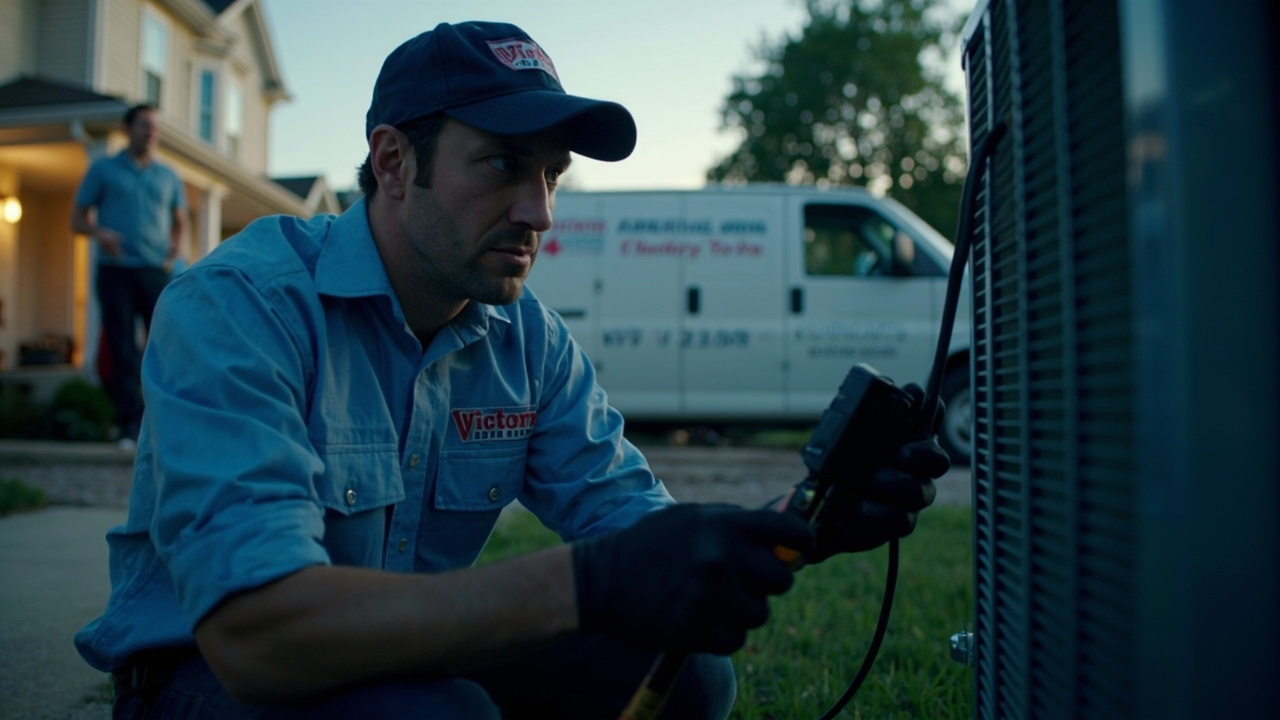
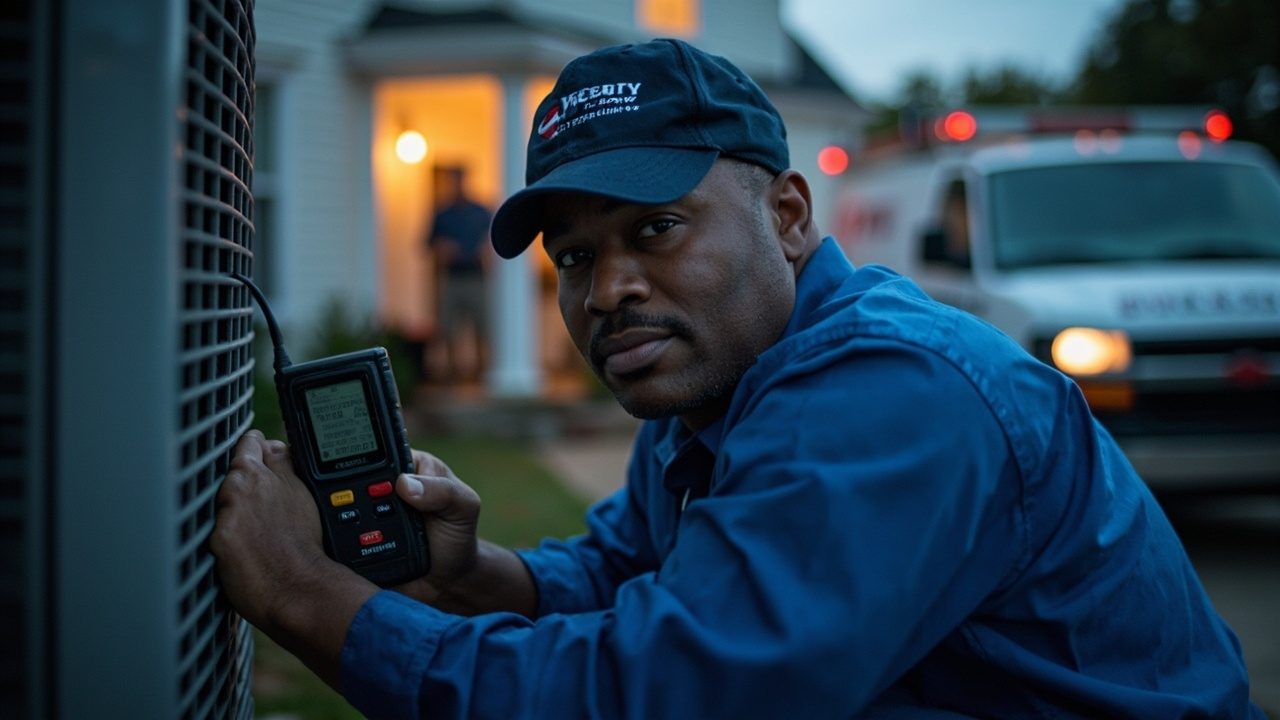
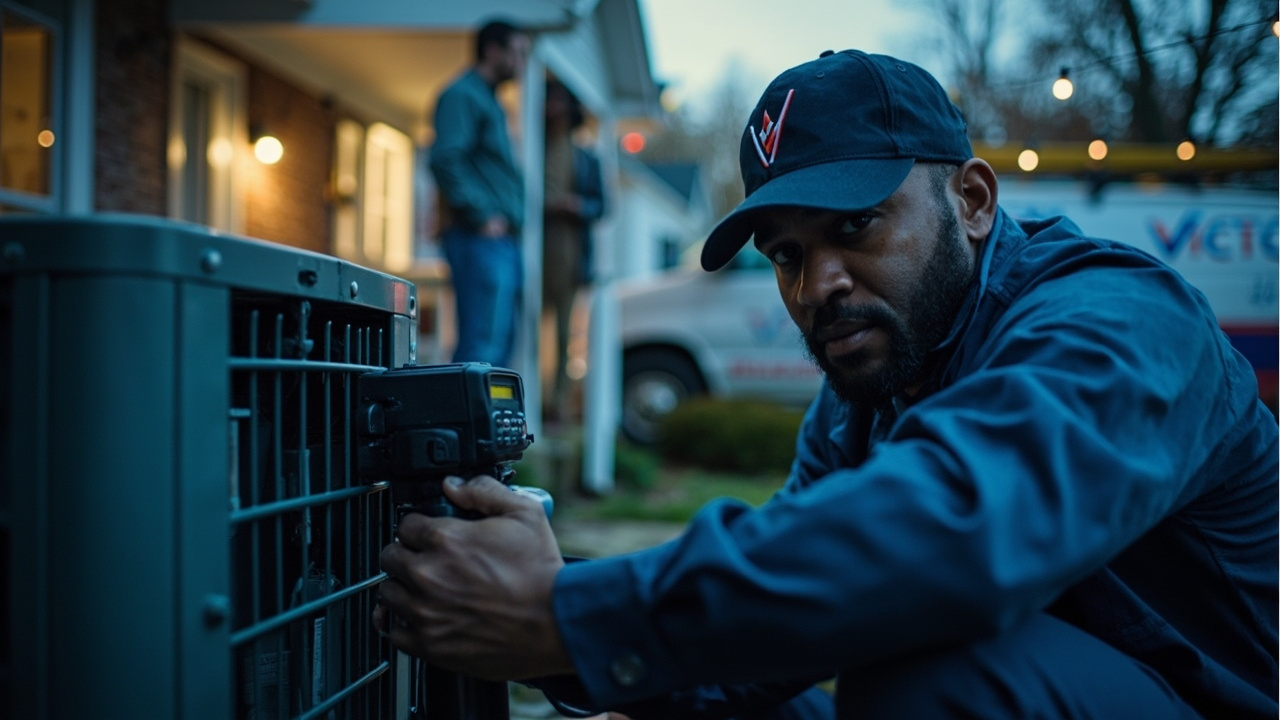
Most companies route emergency calls to an answering service that takes messages. We staff live technicians who answer your call directly and dispatch immediately. Our trucks stay stocked with the parts that fail most often in Baltimore systems, including dual-run capacitors, contactors, thermostats, and refrigerant for R-410A and older R-22 systems.

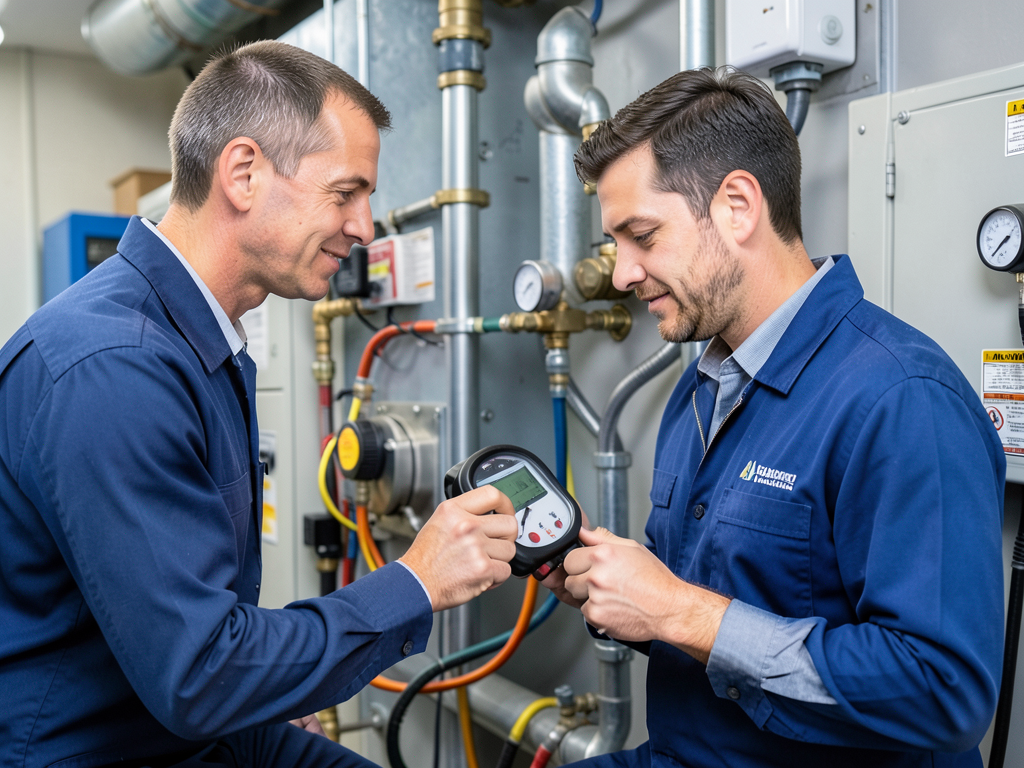
When you call for 24 hour ac repair, our technician brings diagnostic tools that pinpoint the failure in minutes, not hours. We test voltage at the disconnect, check amperage draw on the compressor, measure subcooling and superheat on the refrigerant lines, and verify airflow across the evaporator coil. This systematic approach eliminates guesswork.

Baltimore's electrical infrastructure varies wildly between neighborhoods. Older areas like Fells Point and Federal Hill run on outdated panels that cause voltage sag under load. Newer developments in Canton and Harbor East have modern 200-amp services but often suffer from builder-grade installation shortcuts. We account for these variables when diagnosing why your compressor will not start or why your breaker keeps tripping.

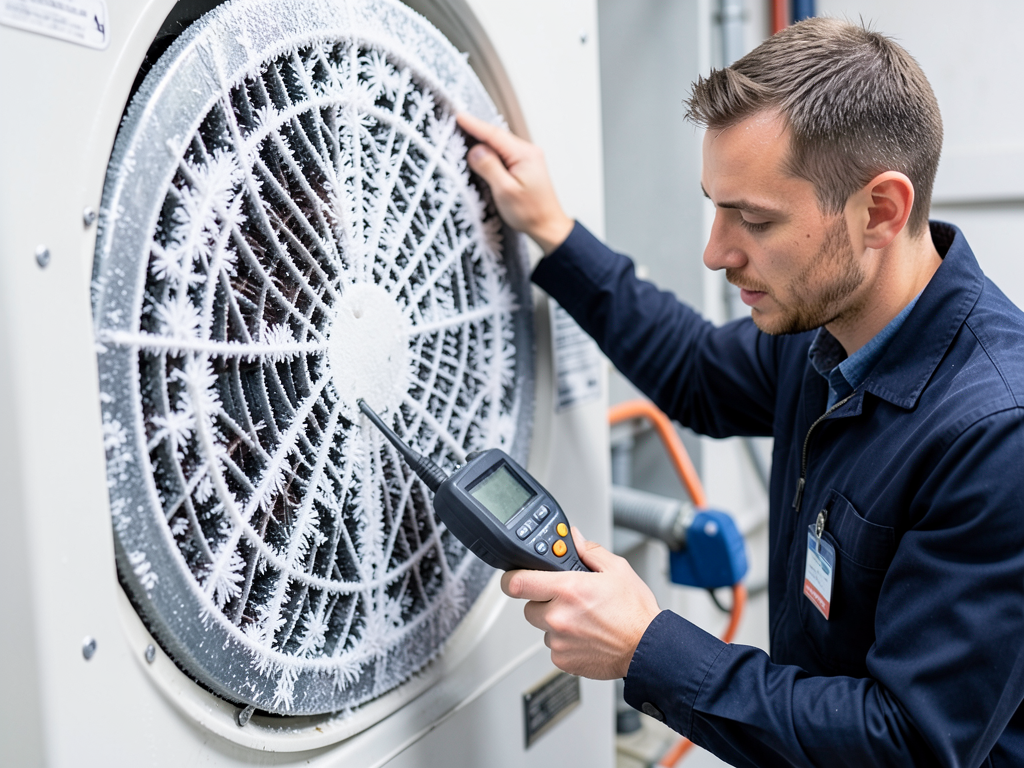
Emergency air conditioning repair means fixing the root cause, not applying band-aids. If your contactor is welded shut, we replace it and verify the capacitor has not weakened from the electrical stress. If your evaporator coil froze, we find out why before restarting the system, whether that means replacing a clogged filter, fixing a refrigerant leak, or correcting a blower motor that is spinning too slowly.

We explain what failed, why it failed, and what you can do to prevent the next breakdown. Then we fix it right the first time.

What Happens When You Call for Emergency Service

24/7 Emergency AC Repair in Baltimore – Technicians Dispatched Within 60 Minutes
01

Immediate Phone Assessment

A technician answers your call and asks targeted questions about your symptoms. Is the outdoor unit running? Do you hear clicking at the thermostat? Is the indoor blower moving air? These questions help us load the right parts before we leave and give you an accurate arrival window. You speak to the person who will fix your system, not a call center.
02

On-Site Diagnosis and Testing

We arrive with test equipment and begin systematic diagnosis at the thermostat, then the air handler, then the condenser. We measure voltage, amperage, and capacitance. We check refrigerant pressures and temperatures. We inspect electrical connections for arcing or corrosion. Within 15 minutes, you know what failed, what it costs to fix, and how long the repair takes.
03

Repair and System Verification

Once you approve the repair, we complete the work and verify the entire system operates correctly. We measure supply air temperature, confirm proper refrigerant charge, test the thermostat cycle, and ensure your breaker holds under load. Before we leave, your home is cooling again. You get a written summary of what we fixed and recommendations for preventing future failures.

Why Baltimore Residents Choose Victory HVAC for Urgent AC Service

Baltimore's housing stock is complicated. You have century-old rowhomes with retrofitted ductwork, mid-century bungalows with undersized systems, and modern townhomes with builder-grade installations. Each requires different diagnostic approaches and repair strategies.

We have spent years working in every Baltimore neighborhood, from the narrow alley access in South Baltimore to the multi-story townhomes in Federal Hill. We know which systems were installed during the R-22 phaseout and which contractors cut corners during the building boom. This experience matters when you need after hours ac repair because we can anticipate problems before we arrive.

Local building codes in Baltimore City differ from Baltimore County, particularly around electrical requirements and refrigerant handling. We maintain the certifications required to work legally in both jurisdictions, including EPA 608 certification for refrigerant work and Maryland Home Improvement Commission licensure. When we repair your system, it meets code.

Our trucks stock parts that fit Baltimore's most common residential systems. We carry capacitors for Carrier, Trane, Lennox, Goodman, and Rheem units. We carry contactors rated for the voltage fluctuations common in older neighborhoods. We carry refrigerant for legacy R-22 systems still running in pre-2010 homes and R-410A for everything installed since.

We do not subcontract emergency calls to random technicians. The person who answers your phone call is the person who fixes your AC. This direct accountability means better service, faster repairs, and honest answers about what your system needs. No games, no upselling, no pressure. Just competent emergency hvac repair when you need it most.

What to Expect During an Emergency AC Service Call

Response Time and Availability

We dispatch technicians within 60 minutes of your call, every day of the year, including holidays. Baltimore traffic and weather can affect arrival times, particularly during rush hour on I-95 or during heavy rain that floods Eastern Avenue and Key Highway. We give you a realistic window and call if conditions change. Most emergency air conditioning repair calls are completed within two to three hours from initial contact to restored cooling, depending on the complexity of the failure and parts availability.

Diagnostic Process and Pricing

You pay a flat emergency service fee that covers the trip and diagnosis, regardless of how long it takes to identify the problem. Once we know what failed, we give you a firm price for the repair before we start work. No surprise charges, no hourly rates that escalate because a repair took longer than expected. If we need a specialty part not in the truck, we tell you upfront and give you options for temporary cooling while we source the component.

Quality of Repair Work

Emergency repairs meet the same standard as scheduled maintenance. We use manufacturer-specified parts or equivalent upgrades, never cheap aftermarket components that fail early. Electrical connections get proper torque and anti-oxidant paste. Refrigerant charges get measured by subcooling or superheat, not guesswork. When we replace a capacitor, we verify the contactor is not pitted. When we fix a refrigerant leak, we evacuate and recharge the system properly, not just top it off and hope.

Follow-Up and Prevention

After we restore your cooling, we explain what caused the failure and what you can watch for going forward. If your system is old or has multiple weak points, we give you an honest assessment of remaining lifespan. We do not push replacements during emergencies, but we do not sugarcoat situations where you are throwing money at a dying system. You get a written summary of the repair and recommendations for maintenance that can prevent the next breakdown.

Frequently Asked Questions

You Have Questions,
We Have Answers

What is considered an emergency for AC? +

An AC emergency means your system failure threatens health, safety, or property. This includes complete loss of cooling during Baltimore's humid summers when indoor temps exceed 85°F, refrigerant leaks causing ice buildup or hissing sounds, electrical burning smells, water pooling around your furnace or air handler, or strange grinding noises indicating compressor failure. Homes with elderly residents, infants, or pets face higher risk during heat waves. If your thermostat shows cooling mode but no cold air blows after 15 minutes, or your breaker trips repeatedly, you need emergency service now. Do not wait until morning.

What is the $5000 AC rule? +

The $5000 rule helps homeowners decide between repair and replacement. If your AC unit is over 10 years old and the repair cost multiplied by the system age exceeds $5000, replace it. Example: a $600 repair on a 9-year-old unit equals $5400, suggesting replacement. Baltimore's high humidity and freeze-thaw cycles stress older systems harder than dry climates. Units past 12 years often need frequent refrigerant top-offs due to micro-leaks in aging coils. Modern systems deliver 30% better efficiency and handle our muggy summers more effectively. Emergency repairs on ancient equipment often become Band-Aids on failing systems.

What to do while waiting for AC repair? +

Close all blinds and curtains on sun-facing windows to block radiant heat. Turn off heat-generating appliances like ovens, dishwashers, and computers. Run ceiling fans counterclockwise to push air down and create wind chill. Move to the lowest floor since heat rises. In Baltimore's brick rowhomes, basements stay 10-15 degrees cooler naturally. Drink cold water every 20 minutes and apply damp towels to your neck and wrists. If you have a dehumidifier, run it since Baltimore's humidity makes heat feel worse. Avoid opening exterior doors. Check on elderly neighbors who lack backup cooling options.

What is the 3 minute rule for AC? +

The 3-minute rule protects your compressor from damage. After your AC shuts off, wait at least 3 minutes before restarting it. This allows refrigerant pressure to equalize between the high and low sides of the system. Restarting too quickly forces the compressor to start against high pressure, which can burn out the motor or trip the breaker. This matters during Baltimore power outages when the grid flickers on and off. If you smell burning or hear clicking without the compressor starting, the thermal overload tripped. Call for emergency service immediately. Never rapidly cycle your thermostat on and off.

What qualifies as an emergency repair? +

Emergency AC repairs involve immediate health risks, property damage, or total system failure. This includes refrigerant leaks that ice over coils and flood your home, electrical issues causing burning smells or sparking, compressor seizure making grinding or squealing noises, and complete cooling loss when temps exceed 90°F. Baltimore's humidity amplifies heat stress, making AC failure dangerous for vulnerable residents. Ductwork separated by foundation shifting in older homes causes pressure loss and mold spread. Water pooling around indoor units signals drain line clogs that can collapse ceilings. If your system stops cooling during extreme heat advisories, you need 24/7 emergency response.

How to cool down a house with a broken AC? +

Create cross-ventilation by opening windows on opposite sides of your home after sunset when outdoor temps drop. Baltimore gets cooler breezes near the Inner Harbor and Canton waterfront. Place box fans in windows blowing outward on the hot side, inward on the cool side. Hang damp sheets in doorways since evaporation cools air. Run exhaust fans in bathrooms and kitchens to remove hot air. If you have a finished basement, move sleeping areas downstairs where temps stay 15 degrees cooler. Avoid using stoves or dryers. Fill spray bottles with ice water and mist yourself every 30 minutes.

What is the 20 degree rule for air conditioners? +

The 20-degree rule states AC units can lower indoor temps about 20 degrees below outdoor temperature on humid days. If it is 95°F outside in Baltimore, your AC struggles to cool below 75°F. This is not a malfunction. High humidity forces your system to work harder removing moisture than lowering temperature. Baltimore's summer dew points often hit 70°F, making the air feel thick. If your system cannot achieve even a 15-degree drop or runs constantly without reaching setpoint, you likely have low refrigerant, a failing compressor, or undersized equipment. Emergency diagnostics identify the real problem fast.

How much to replace a central AC unit? +

Central AC replacement in Baltimore typically ranges from moderate to significant investment depending on system size, efficiency rating, and installation complexity. Costs vary based on your home's square footage, ductwork condition, and whether you choose a standard or high-efficiency unit. Rowhomes with tight attic access or historic properties requiring specialized installations cost more. Factors include refrigerant type, SEER rating, and whether you need electrical panel upgrades. Emergency replacements during peak summer demand cost more than off-season installs. Get multiple quotes and verify contractors pull city permits. Financing options help manage upfront expenses during urgent failures.

What's the average lifespan of an HVAC system? +

HVAC systems last 12 to 15 years in Baltimore with proper maintenance. Our climate accelerates wear due to high humidity, seasonal freeze-thaw cycles, and heavy summer use. Coastal salt air near the harbor corrodes outdoor units faster. Systems running 8+ months yearly age quicker than those in mild climates. Neglected air filters and skipped tune-ups cut lifespan by 30%. Units over 10 years old face compressor failures, refrigerant leaks, and efficiency drops exceeding 40%. If your system needs frequent emergency repairs or struggles during heat waves, replacement beats constant service calls. Plan proactive replacement before catastrophic summer failure.

How to sleep when AC is broken? +

Sleep in the coolest room, usually the basement or lowest floor in Baltimore rowhomes. Take a cold shower before bed to lower core body temperature. Use lightweight cotton sheets and remove heavy blankets. Place a bowl of ice in front of a fan to blow cold mist. Sleep with damp washcloths on your forehead and neck. Keep bedroom doors closed during the day to trap cooler air. Drink ice water before bed but avoid alcohol, which raises body temperature. If indoor temps exceed 85°F with high humidity, consider staying with family or in a cooling center until emergency AC repair arrives.

How Baltimore's Humidity and Electrical Grid Stress AC Systems

Baltimore sits at the intersection of Chesapeake Bay moisture and urban heat island effects. Summer dew points regularly hit 70 degrees or higher, which forces your AC to work harder removing humidity than lowering temperature. This constant moisture loads stress evaporator coils, leading to freeze-ups and drain pan overflows. The city's aging electrical grid in older neighborhoods creates voltage sag during peak demand, which starves compressors and burns out capacitors faster than in areas with modern infrastructure. These local conditions make emergency air conditioning repair more common here than in drier climates or areas with stable power delivery.

Victory HVAC Baltimore has diagnosed failures in every type of Baltimore residence, from the narrow rowhomes south of Fort McHenry to the converted industrial lofts in Remington. We understand how the city's mix of old and new construction creates unique HVAC challenges. When you need 24 hour ac repair, you need someone who knows why your system failed and how Baltimore's specific conditions contributed. Local expertise means faster diagnosis, proper repairs, and realistic advice about your system's future in this climate.
HVAC Services in The Baltimore Area

Easily locate Victory HVAC and our service areas on the map below. We are strategically positioned to provide prompt and efficient heating, ventilation, and air conditioning services across the entire region. Whether you're seeking a new installation, emergency repair, or routine maintenance, our team is readily available to reach your location quickly, ensuring your comfort is restored without delay. Feel free to zoom in to see our exact location or contact us for directions and service area details.

Address:
Victory HVAC Baltimore, 729 E Pratt St, Baltimore, MD, 21202

Additional Services We Offer

Our news updates

Latest Articles & News from The Blogs

Effective Strategies for Managing Airflow in the Open Concept Rowhomes of Greektown Managing airflow in Baltimore's open concept rowhomes presents…

Effective Strategies for Managing Airflow in the Open Concept Rowhomes of Greektown

Effective Strategies for Managing Airflow in the Open Concept Rowhomes of Greektown Managing airflow in Baltimore's open concept rowhomes presents…

Why Your Bolton Hill Radiators Are Making Loud Clanging Noises

Why Your Bolton Hill Radiators Are Making Loud Clanging Noises Your historic Bolton Hill rowhome deserves quiet, reliable heat. When…

What Those Strange Hissing and Banging Noises from Your Rosedale Furnace Actually Mean

What Those Strange Hissing and Banging Noises from Your Rosedale Furnace Actually Mean Your furnace should run quietly in the…

Contact Us

Call (443) 390-4933 now and speak directly to a technician. We are dispatching emergency calls right now across Baltimore. Your AC will not fix itself, and every hour you wait makes your home hotter and the repair potentially more expensive.