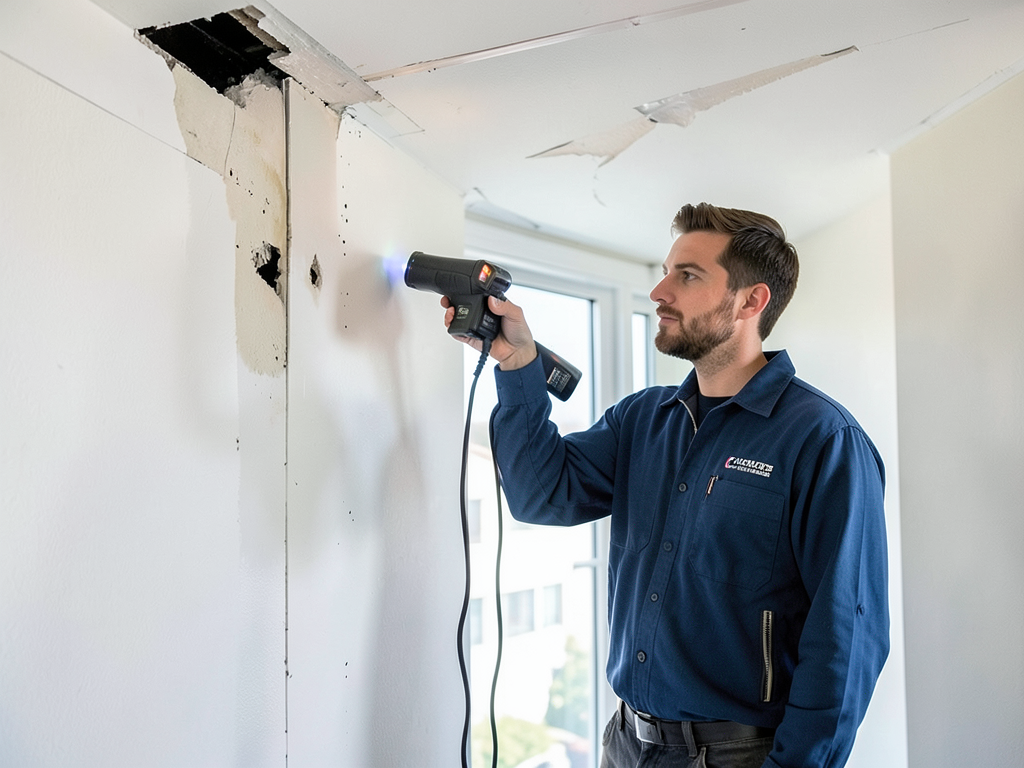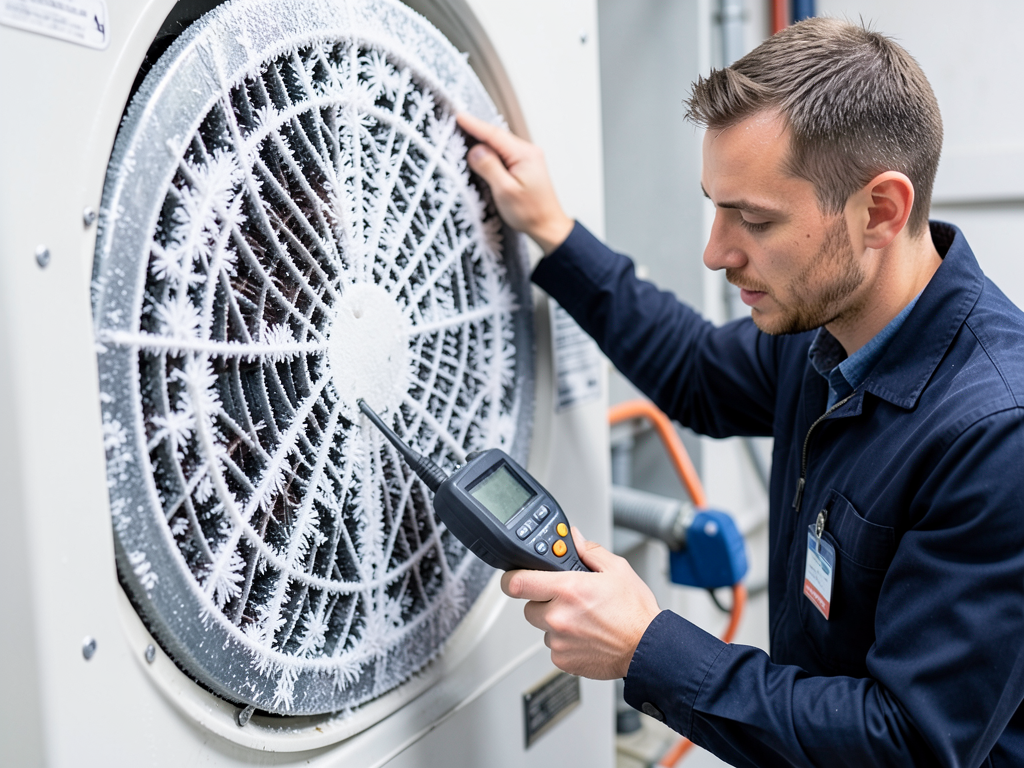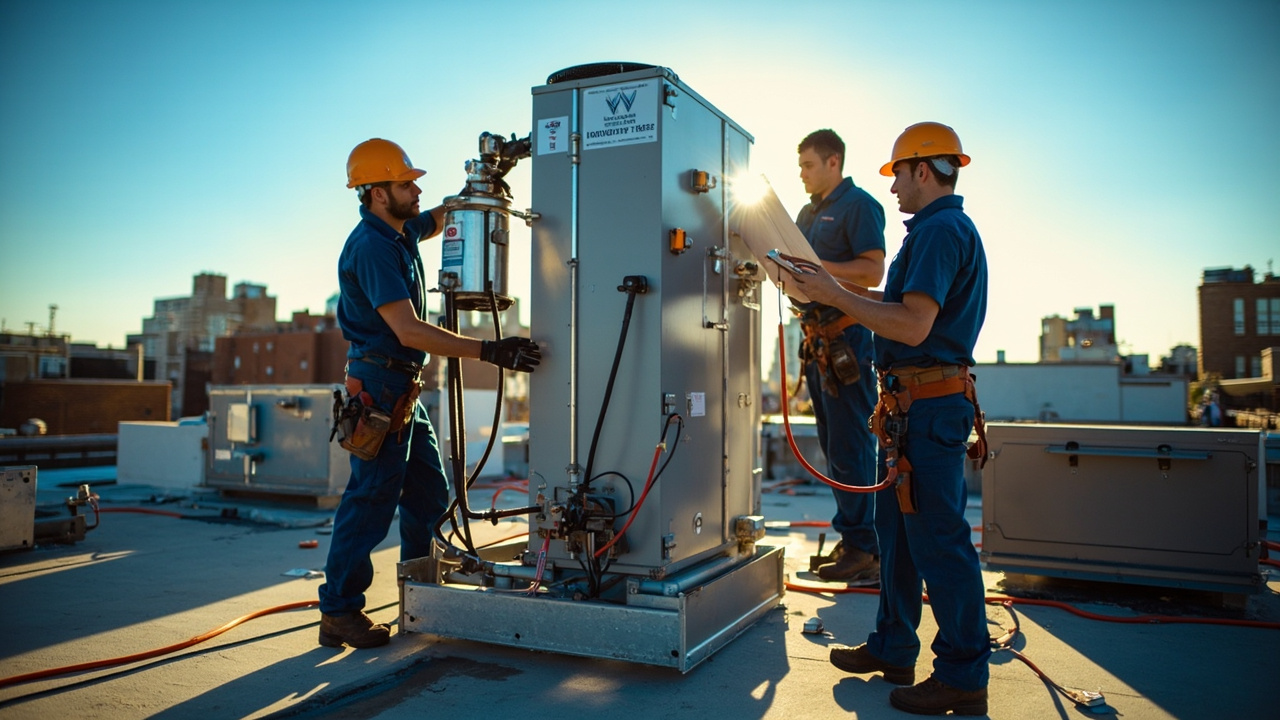

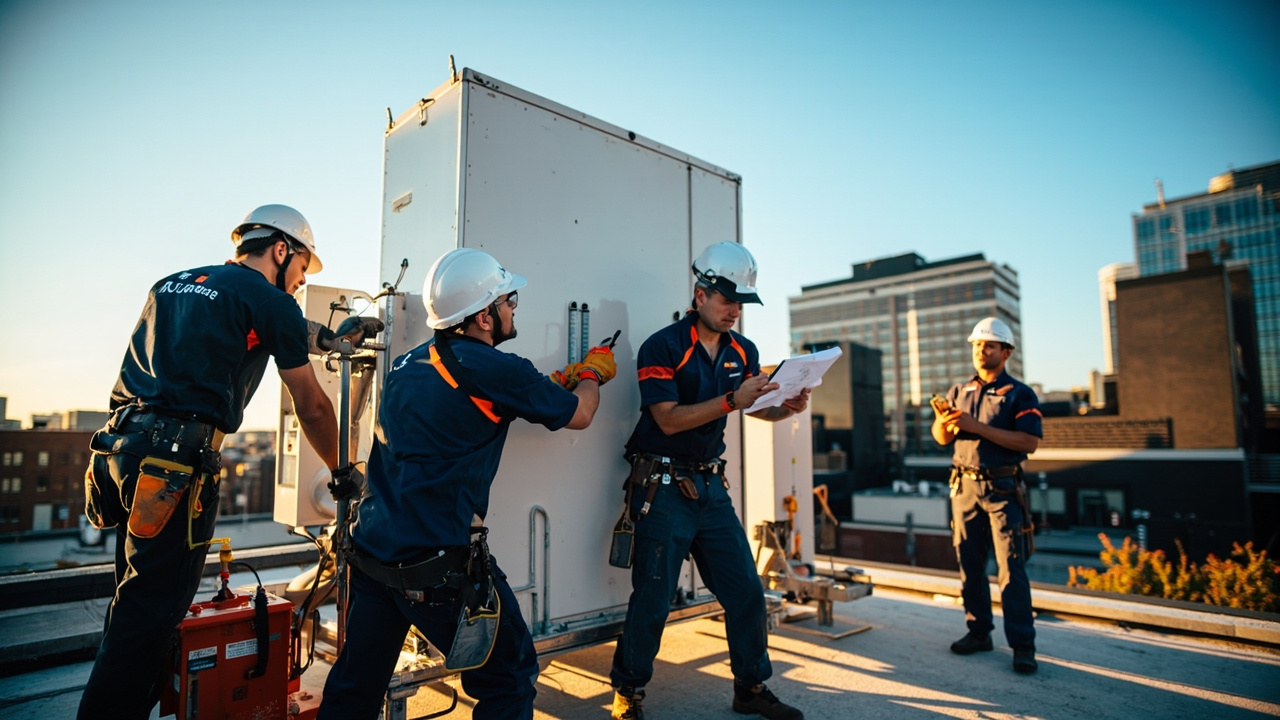
Baltimore's proximity to the Chesapeake Bay creates sustained humidity levels that challenge commercial rooftop HVAC systems. When outdoor air reaches 85 percent relative humidity during summer months, your RTU's evaporator coil works harder to remove latent heat. This moisture load increases compressor runtime and reduces system efficiency by 20 to 30 percent compared to dry climates. Buildings in Fells Point, Harbor East, and Locust Point face accelerated coil corrosion from salt air, requiring stainless steel drain pans and coated coil fins. Your rooftop unit installation must account for these environmental factors to deliver reliable performance and acceptable equipment lifespan.
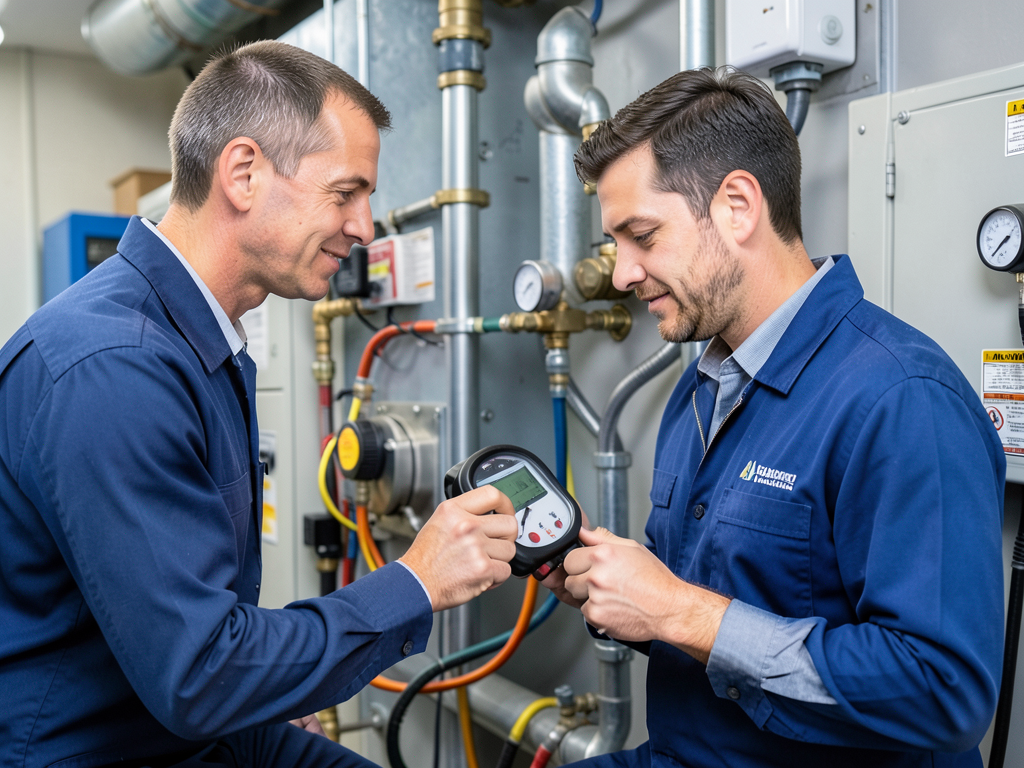
Baltimore City enforces strict building codes through the Department of Housing and Community Development. Any commercial RTU install requires mechanical permits, electrical inspections, and compliance with the International Mechanical Code. We work directly with city inspectors and submit complete plans to avoid delays. Our crews understand local requirements for refrigerant handling, gas line sizing, and emergency shutoff placement. Choosing a contractor familiar with Baltimore's permitting process protects you from failed inspections, code violations, and project delays that cost you revenue. We have installed hundreds of rooftop package units across Baltimore's commercial districts and maintain relationships with local inspectors to expedite approvals.